Sweet Home Carolina (December 2011)
Posted by Kathy Clark in Trips on December 10, 2011
December 10, 2011

Some of the electronics equipment
Brian, Ryan, and Troy from Celtic Marine Electronics arrived before Thanksgiving to begin installing our new electronics. Brian arrived with a truckload of equipment to add to that which had already been shipped to us. This included dozens of boxes filled with new toys – radar, Navnet, AIS, VHS, SSB, transducers, telephones, satellite phone, amplifiers, video processors, GPS Compass, cameras, computers, miles of cable, and more. After 260 man-hours of labor, most of it was installed. Unfortunately, our new monitors, which are required to display information in the pilot house, have not yet arrived. They are made in Japan and are way behind schedule due to the earthquake earlier this year. The boat is still out of the water and Brian will return once it is launched and the monitors have arrived. That will allow the final installations and a sea trial to test everything.

Steve (electrician) and John work on anchor windlass
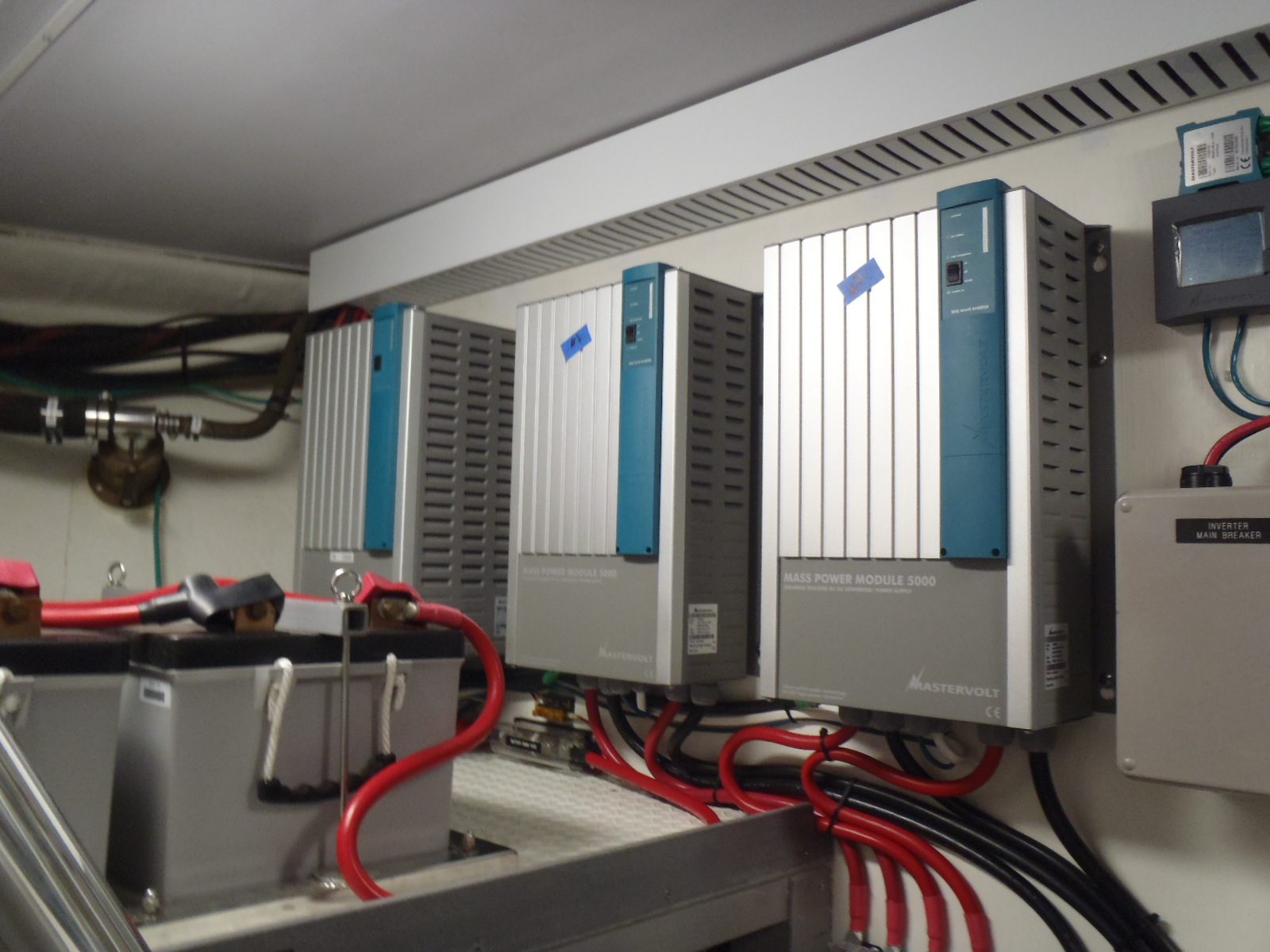
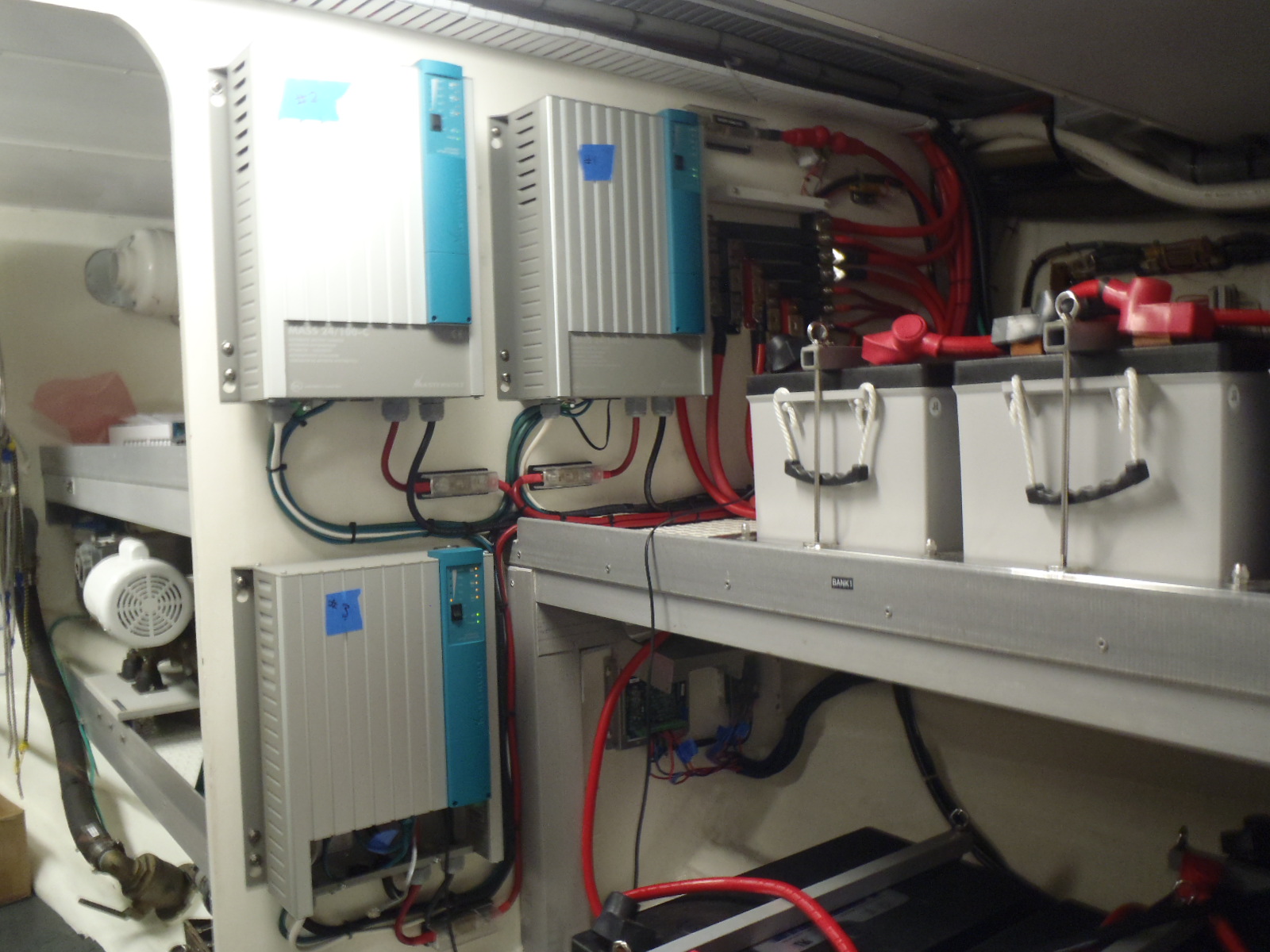
On the electrical side, we continue to make good progress. Steve the electrician and John have got the new inverters successfully installed and working! That is a huge step as this was the most complicated of the electrical tasks. There is plenty of work remaining but it is proceeding nicely. In the meantime, Bradley has been working with Mayda from Jarrett Bay to reconfigure our sea-chest. This is where sea water is brought into the boat and circulated to cool the generators, air conditioners, and other equipment (the main engines have a separate seawater intake system). The re-configuration will improve the flow of water by eliminating several “elbow” pipes and streamlining the plumbing.

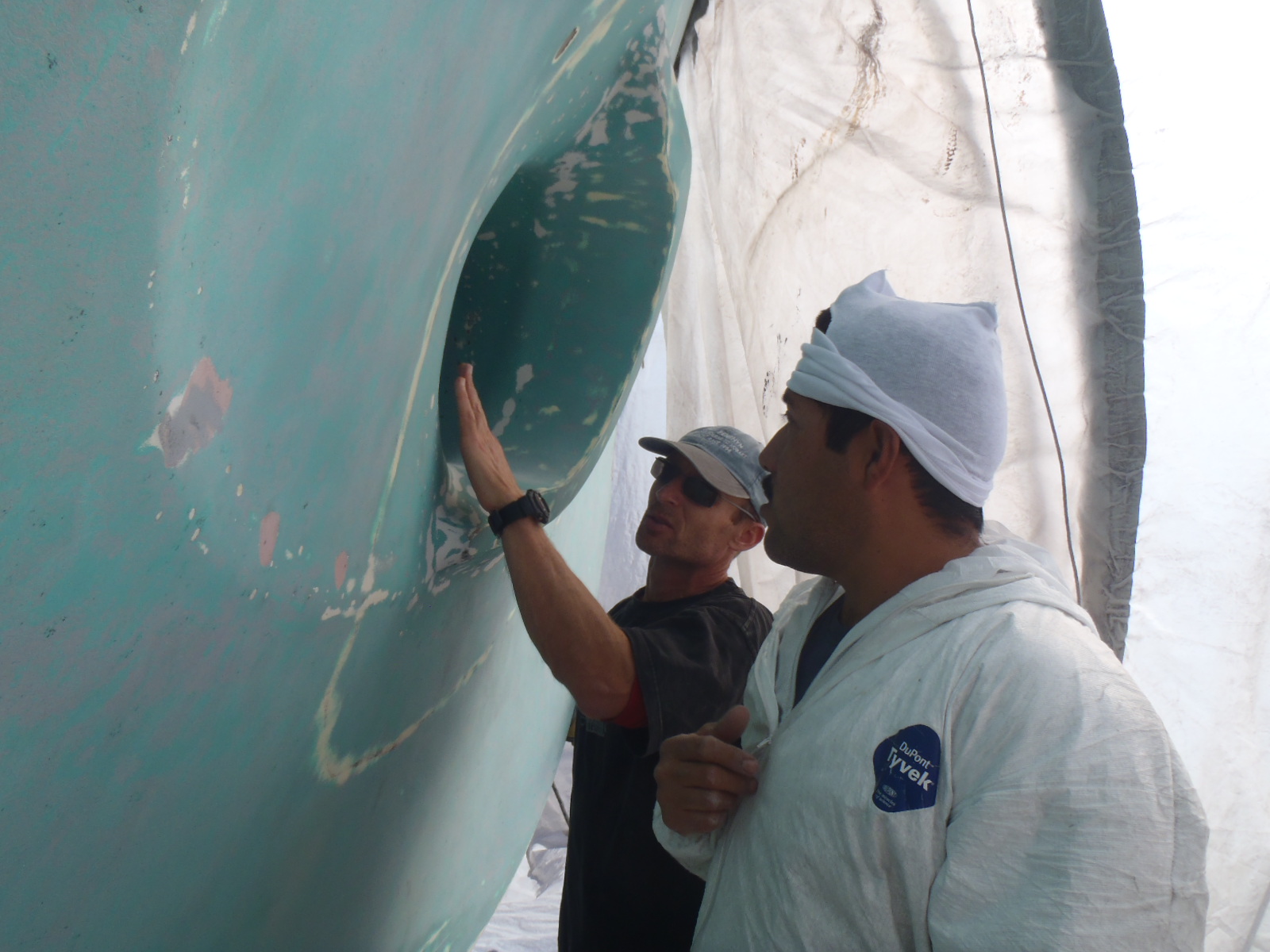
John and Sergio inspect sanding of bottom
Work on the bottom of the boat is now behind schedule. The sanding and preparation for painting has taken longer than planned and we now have to hope for some good weather over the next few weeks in order to complete the painting. The boat’s hull is painted with a barrier coat, then several coats of anti-fouling paint which prevent growth from occurring on the hull. We still need to have our new stabilizer controls installed, but will schedule that to occur just before the boat goes back into the water as they will need to be tested in a sea-trial. Although the davit (crane) has not yet been repaired, we were able to remove the tender (dinghy) from the deck and have replaced the leaky valves in its tube and repaired some dings in its hull. Leanne and Kathy have also given it a good cleaning and polishing and we’ve been able to get out on the water for some touring and boat-handling practice. The new carpet for the salon and pilot house has arrived and the first of our dining room chairs has been re-covered. We can’t wait to see the difference it will make, but installing the new carpet will be the last thing we do before leaving here.

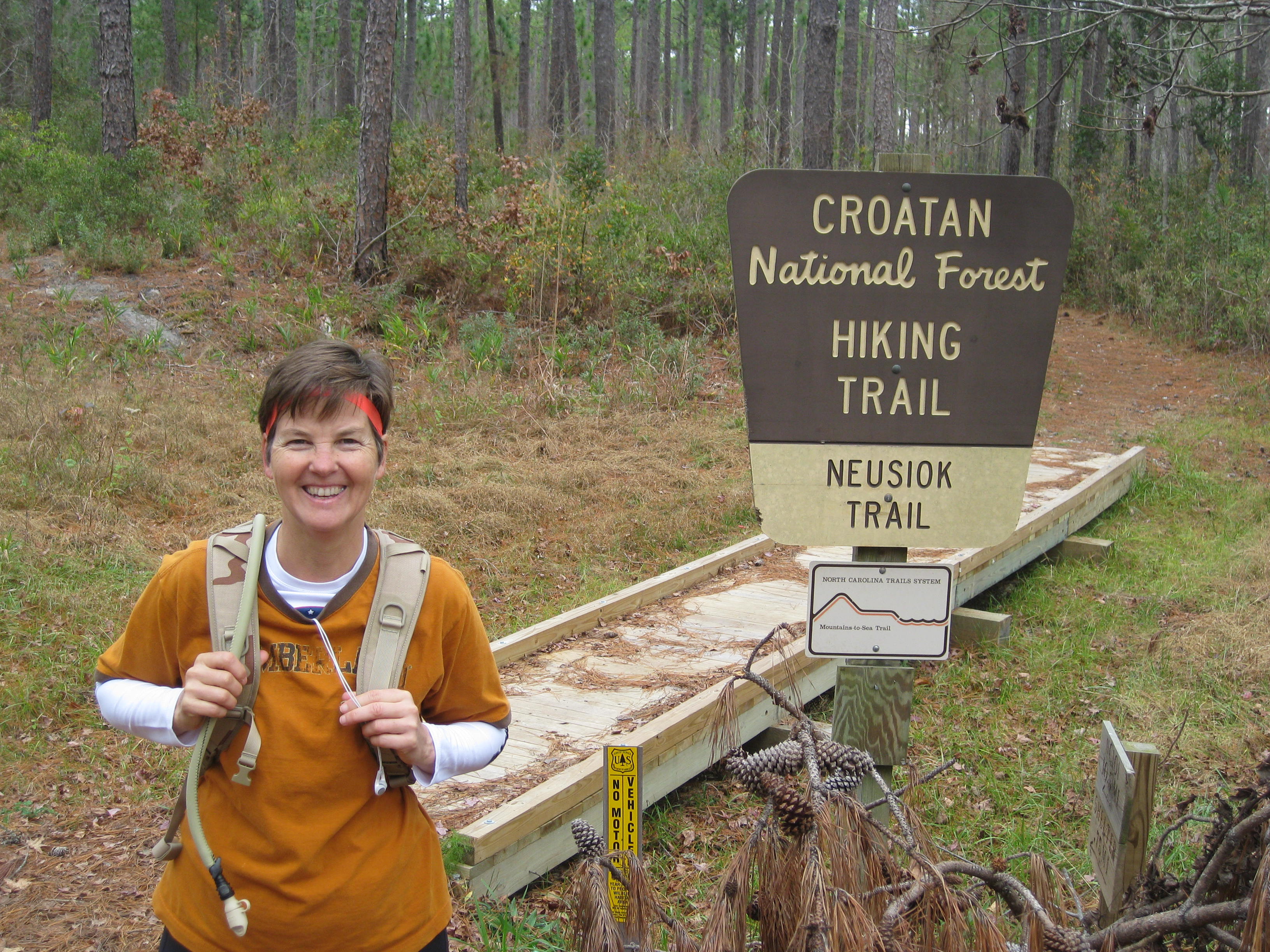
John and Leanne at end of Neusiok Trail
It looks like Carolina will be our home through mid-January but at least the end is now in sight! We had a wonderful Thanksgiving here in Sea Gate and our friend Meg and Jordan (our dog who now lives with Meg) came over from Raleigh to spend Thanksgiving with us. Jordan got his first glimpse of the ocean when we visited Atlantic Beach. He liked the beach but thought the water tasted awful funny! Meg, Jordan, and I also managed a visit to Southport to visit my friend Nancy and her dogs. John, Leanne, Meg, and Kathy went hiking along the Neusiok Trail in the Croatan National Forest. Last weekend we covered 8.5 miles of the trail and today, John, Leanne, and Kathy completed the remaining 12.5 miles. Fortunately, we avoided the many men with guns we encountered along the way – it is hunting season here!
The weather has been fabulous and we hope it continues!
Check out the latest book reviews and view the updated 5 minute cruising life video.
Subscribe to this blog by scrolling to the bottom and completing the Sign Me Up box. Then you will get updates as they are posted!
-

- Pilot House during electronics install

-
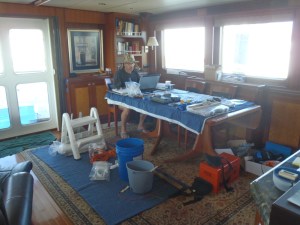
- John works in salon – also a bit of a mess!

-
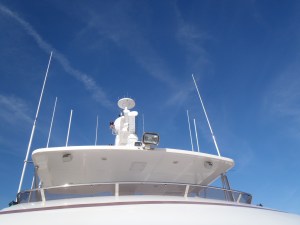
- New antennas for radars and communications

-

- New inverters installed! Part 1
-

- Inverters installed – Part 2!
-
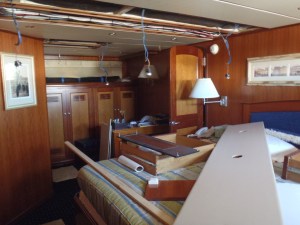
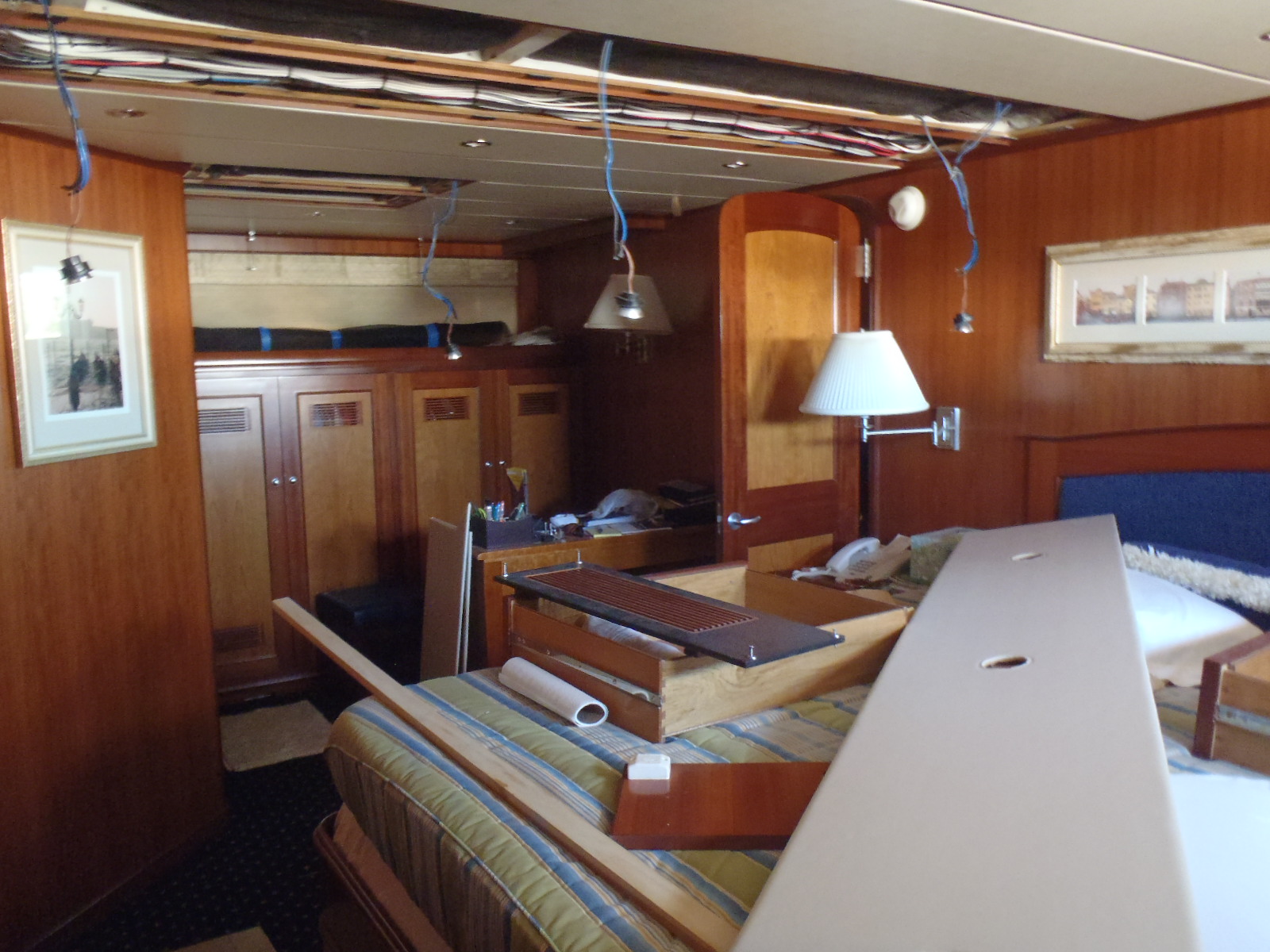
- Master Cabin during wiring and light replacement
-
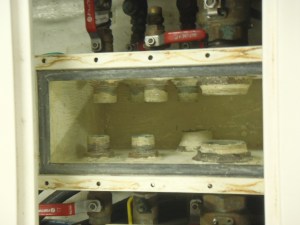
- The Sea Chest

-
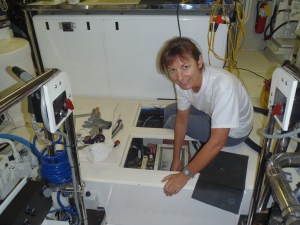
- Leanne sanding in sea chest (engine room)

-
- John and Sergio inspect sanding near bow thrusters
-

- Kathy at end of Neusiok Trail
Electrical Adventures (November 2011)
Posted by Kathy Clark in Trips on November 16, 2011
November 17, 2011
(By Kathy)
Warning: This post is more technical so if you don’t really care about details of our electrical systems just browse the photos and wait for the next post!
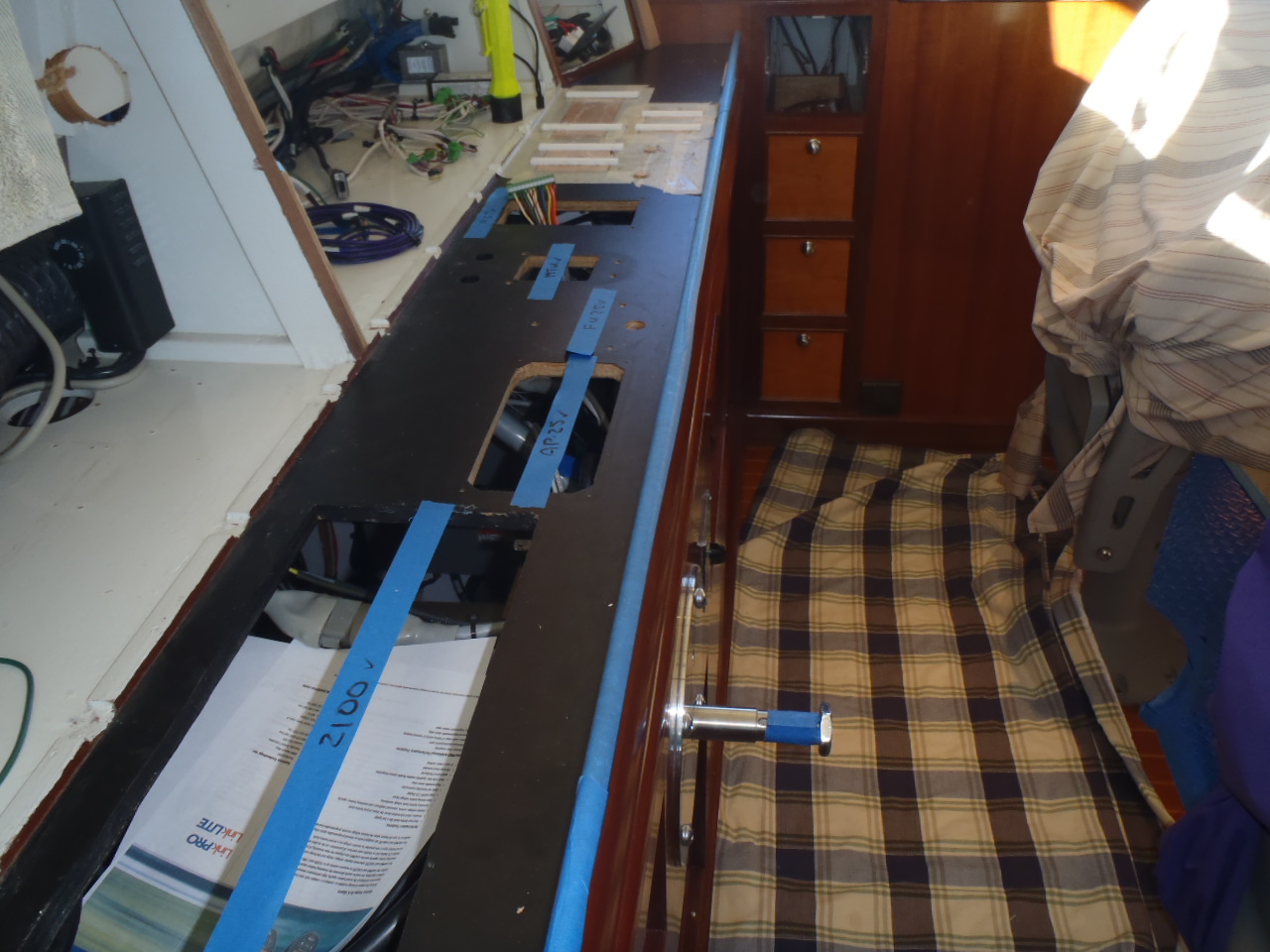
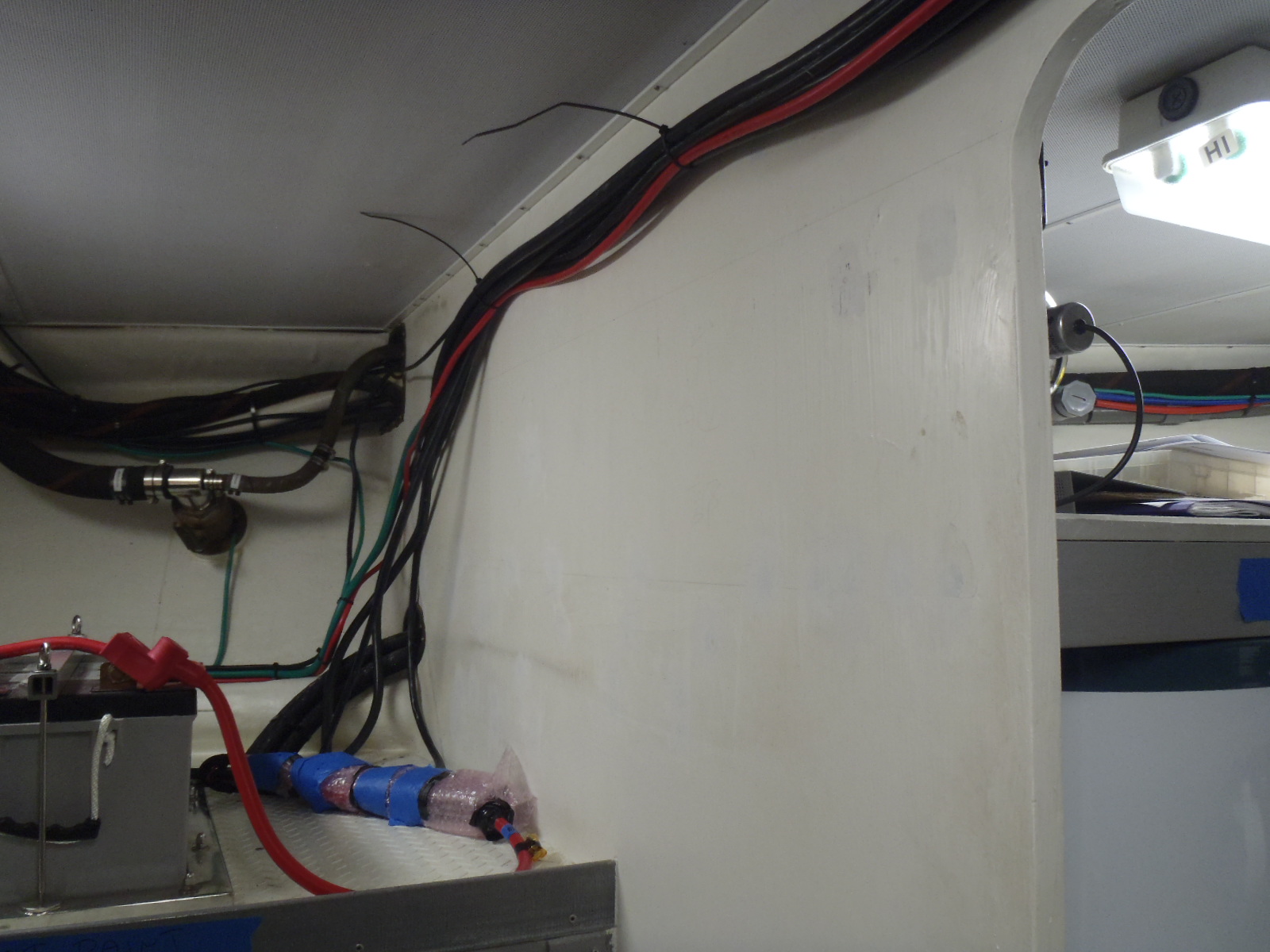
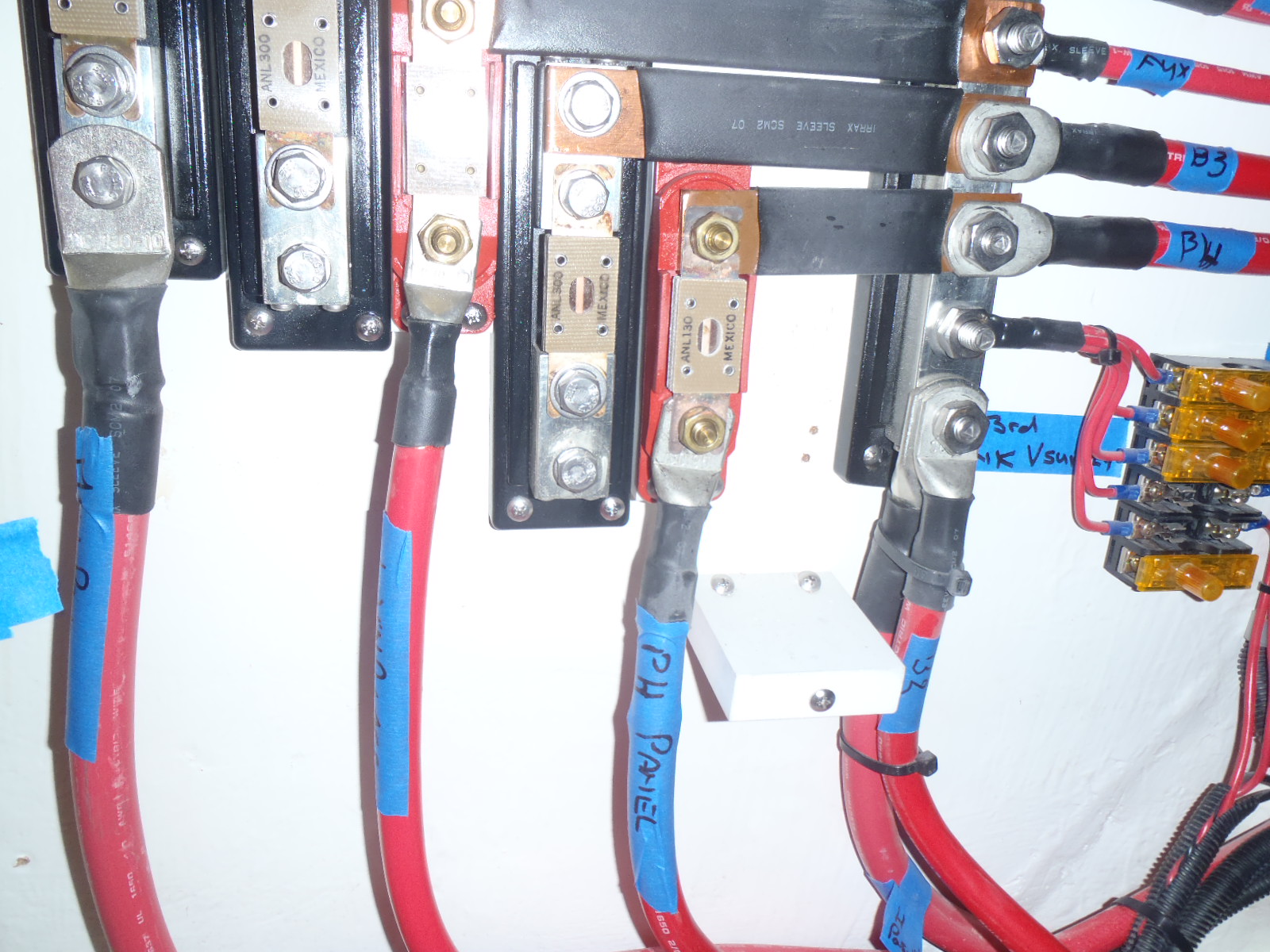
Steve from Offshore Marine Electronics has been aboard nearly every day working with John to diagnose and fix a variety of electrical problems. I wanted to give you a sense of what this has entailed. There are dozens more examples, but I think you’ll get the idea.

Steve with a long list of updates to our drawings
Good news – we have extensive electrical wiring diagrams for the boat. Bad news – the diagrams are from the design stage and don’t quite match what was actually built. Sometimes this is a minor annoyance and other times it causes wild goose chases resulting in wasted time and frustration. Steve so far has an entire legal pad filled with changes that need to be made. By the end of this process we will have updated drawings that come closer to matching what is actually on the boat.
Here are a few examples of things being fixed:
Bilge high water alarm failed – replaced
Fuel tank water sensor failed – parts on order
Back up fresh water pump failed – new pump ordered. However due to both flawed design change last year that had to be redesigned by the manufacturer and the impact of the Japanese earthquake, earliest delivery date is 1st quarter next year.
Pilot house fans failed – replaced
Electrical remote bus switches and transformers tested
Hydraulic alternators shorted – rectifiers replaced and new regulator on order
Electrical circuit breakers blown – replaced
Spot Light slave control failed – replaced
Five Windshield wiper switches replaced
Freshwater, Grey water, and Black Water tanks level sensors shorted out – replacement tank sensors and display units installed
Port & Starboard Windlass controls failed – new Autoanchor controls ordered
Link 10 (used to monitor batter levels) not operational – new unit installed
Main electrical switchboard displays shorted – new units installed – need to be calibrated
Marquipt davit (crane) not operational – parts on order – the parts have to be shipped to Marquipt, then undergo some programming before getting to us!
Sea Fire system not operational – new parts installed and system tested and re-certified
Dozens of lights and dimmers not operational – being tested and replaced as needed
There are currently 67 items on the electrical checklist, some complete, some in progress, some still to be started. This does not include the electronics, which will be covered in a separate post.
By far the greatest challenge on the electrical side is the replacement of our inverters/chargers. These are the devices which control the power on the boat. In charger mode they convert incoming 240V AC shore power (or onboard generator power) to 24V DC to charge the 2040 Amp Hour battery bank and, conversely, convert (invert) 24V DC from the battery bank to 120 and 240V AC for ships services (and air conditioning) when AC power (shore or generator) is not available.

Old inverters awaiting removal
We had two Xantrex Trace inverters which (of course) are no longer made. With no possibility of simply replacing the inverters, we had to develop a plan which would a) physically fit into the same space b) provide the same amount of power and battery charging capability, and c) entail as little re-wiring as possible. While this may seem like an easy task, it was not. After days spent on research and talking with consultants, the choices were narrowed to two – Outback and Mastervolt. Neither was a perfect solution, but in the end we settled on MasterVolt because it provides a similar level of charging and inverting capacity as our existing system and requires minimal rewiring of existing boat systems.
While Steve and John will be able to install the system, we had to engage a consultant to design it and to provide details of how it is to be installed. Parts have been ordered and this will be the biggest electrical job. Perhaps the scariest moment to date occurred when John and Steve removed the old inverters. The inverters cannot simply be “turned off”, they must be physically disconnected from both AC and DC inputs and outputs. John and Steve studied the wiring diagrams, ensured that all bypasses were engaged to route AC power to the rest of the boat when the inverters were removed, disconnected AC and DC power inputs and outputs to electrically isolate the inverters/charges, and disconnected the remote control panels – which had also been damaged. Finally they checked that all terminals had no voltage on them. However, despite all this, when one power leg was removed there was a spark and a voltage spike occurred blowing a 120V power filter. Seemingly not possible and we are still working to understand what happened and why. Notwithstanding this anomaly, the inverters were successfully removed, all 210 pounds of them, and boat power has been restored in a bypass mode until the new Mastervolt installation is up and running.
One more frustrating project is the installation of a new blower (fan) for the lower cabin. A new fan had been ordered and received and John was ready to install it. Installation is quite an adventure in itself as it requires a journey through a tiny opening to a very restrictive space very deep but narrow. Let’s just say this is not a space where Bradley will ever venture. After making his preparations, John descended and began asking for a variety of tools which an assistant (me) duly handed down to him. After an hour of work, John determined that the new fan was the wrong kind and would not work. It wasn’t wasted effort, but it was frustrating because of the difficulty of access. At least we now know what we need and we’ll get it done next time. Since it’s very difficult to describe these kinds of restricted spaces, here is a video of John trying to get OUT of the space (click to play):
Sergio installs new engine and thruster controls
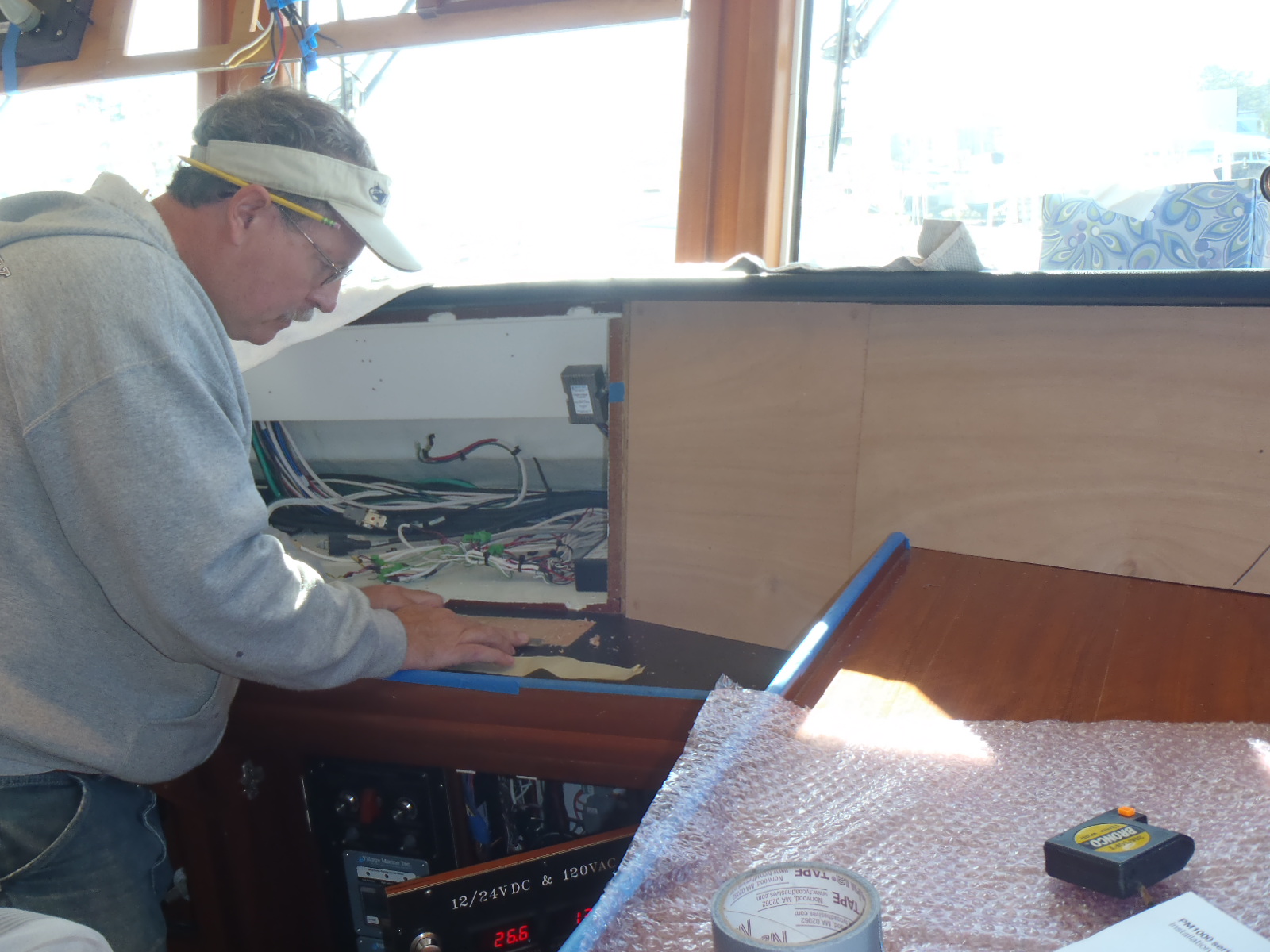
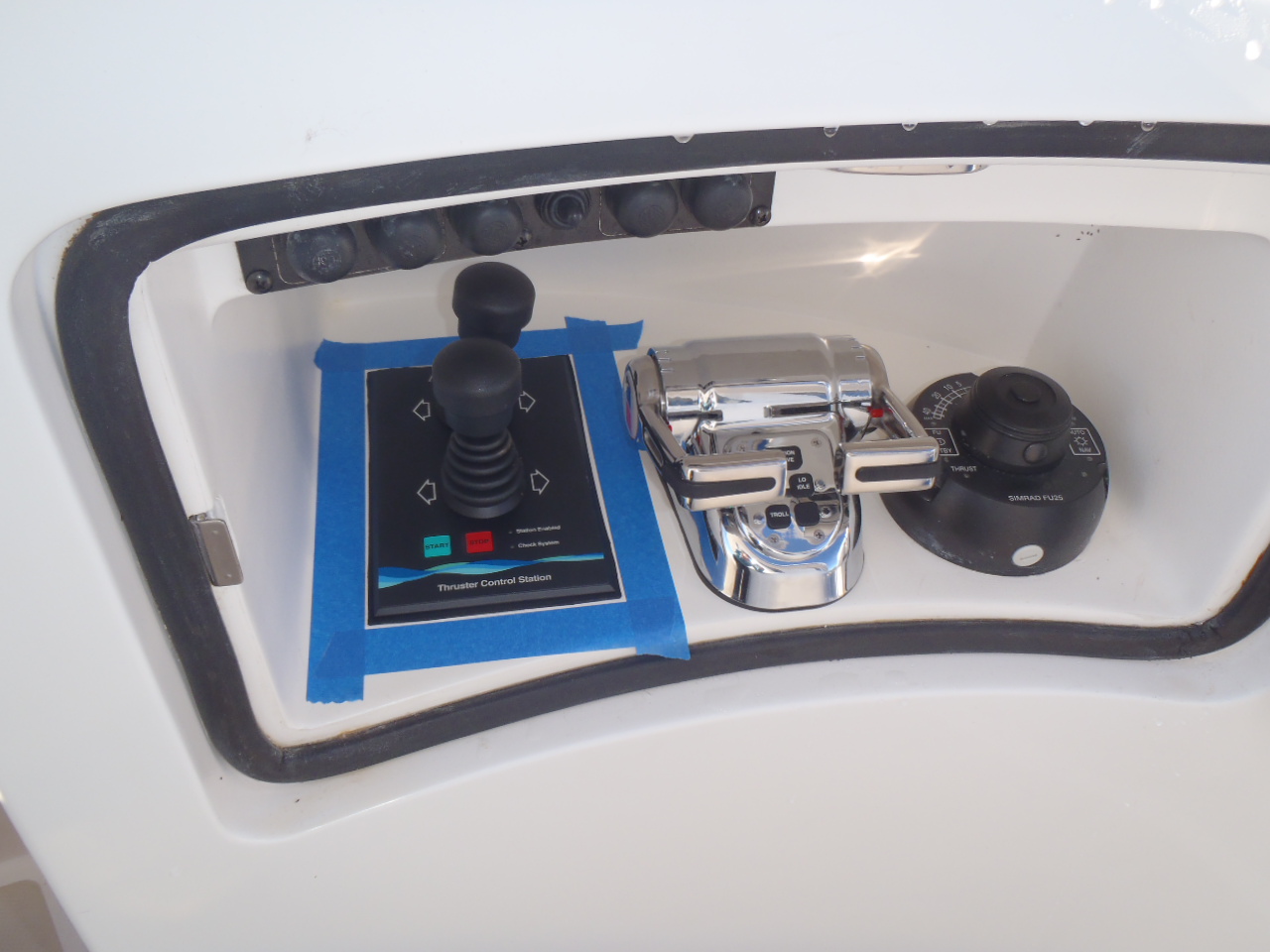
The best news of the week concerned the installation of the remaining control units for the engines and bow and stern thrusters. We have five separate control stations for engine throttle and thruster controls – Pilot House, Fly Bridge, Aft cockpit, and Port and Starboard on the Portuguese Bridge (the walkway outside the big windows in the Pilot House). We had not been able to install the controls on the Portuguese Bridge because the electronic units (brains of the system) are housed inside cabinets in the port and starboard guest cabins. Nobody had been able to figure out how to get the old units out and the new ones in without cutting an access panel into the outside of the boat. It is never desirable to cut holes in a boat and they will almost always leak at some point. Nevertheless, we had proceeded on getting quotes for cutting the access panels. Finally, we talked to one last person, Tim and Sergio from Core Creek Marine, who assured us he could do it without cutting an access panel. Sure enough, he had the tools, experience, and skill to do it! So the new units are now installed and we are thrilled with that outcome.
Sanding the bottom
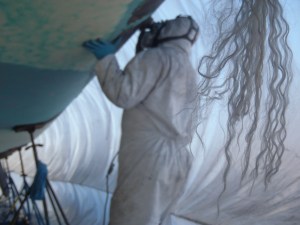
Core Creek is also doing work on our bottom. This falls into the category of general maintenance and is not related to the lightning damage. Nevertheless, it’s a big job. Shear Madness is now covered with a plastic skirt while workers in protective gear are sanding her hull below the waterline in preparation for new bottom paint. This paint, called anti-fouling, is designed to protect the hull and to prevent growth of marine creatures (barnacles, grasses, etc.). During the process, all the propellers are also cleaned and treated with special coating. This work is now underway at full speed.
We’ve also had all of our fire extinguishers (9 of them, plus 3 Sea Fire systems in the engine room) and our primary EPIRB (emergency beacon – we have one primary one and one on each of our two life rafts) serviced and tested. We’ve also selected new carpet for the salon and pilot house and new material for re-upholstering our dining chairs. The tender has been lifted off using a boatyard crane and is being serviced. Planning is in progress for stabilizer and watermaker repairs.
Brian and Troy from Celtic Marine Electronics have arrived to start installing the new electronics. More on that next time! Please click comment button to leave a comment!







Human Nature at its Best (November 2011)
Posted by Kathy Clark in Trips on November 6, 2011
November 6, 2011
(by Kathy)
We are still working at a frantic pace on repairs and are picking up steam. Solutions are being identified, parts are arriving, and lots of projects are in progress. Leanne and Kathy are busy with inventorying all the equipment, spare parts, and other items onboard. We’re updating and servicing our safety gear and medical kits. We’re also getting quotes on some new carpeting and re-upholstering of chairs and some other minor interior upgrades. Brian and Troy from Celtic Marine Electronics will arrive next week to start installing new equipment. We’ll provide an update on the progress of all our repairs and include some more technical details in the next post.
New Electrical Panels Installed and Working
One of the things we most enjoyed about cruising in Australia and New Zealand was how friendly and helpful people were to complete strangers. Offers to loan us cars, people bringing things from their gardens, people picking us up hitch-hiking and going out of their way to deliver us to our destination, being given free fish, lobsters and abalone – the list goes on! And I’m very happy to report that back here in the USA, we are again experiencing the best side of human nature. Here are just a few examples.
Earlier this year, while downsizing some of our possession in anticipation of selling our house, I became a frequent user of Freecycle, posting many items I couldn’t keep but couldn’t bring myself to throw out. This led to meeting many interesting people, some of whom became repeat customers, including Vera, who is from Siberia. On her last visit to my house, she had just returned from Siberia, and presented me with a special gift, a necklace of a Siberian girl made with real reindeer fur. I love it!
After our house was sold, our wonderful friend and Jordan’s “Aunt Meg” volunteered to take Jordan (our dog) to live with her in North Carolina. But Meg could not take him for two weeks. Our gracious neighbor Rose Marie came to the rescue, offering to let me and Jordan stay at her house for as long as needed (and we had other foster home volunteers too). Then we had the great fortune to find Sweet Hope and Captain George (see entry of Sept 28th), who helped guide us down the intracoastal waterway to North Carolina. The trip would not have been possible for us without an escort.
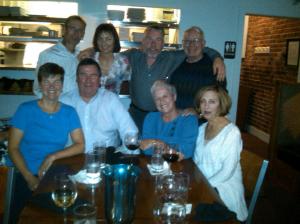
Dinner with Milt & Judy and David & Debbie
Once in North Carolina, we found a great house to rent. Unfortunately, it does not have internet service, which nearly made us pass it up. Enter Frank next door, who has internet and allowed us to put a router in his house so that we could stay connected. He then introduced us to other neighbors who have been invaluable in helping us to find reputable local contractors to work on the boat. The Sea Gate Marina folks have also been great, allowing us to store our kayak there and to bring our bottles and cans over for recycling. And our landlords have been great – friendly and helpful.
Soon we had an email from Billy, a fellow Nordhavn owner who lives nearby and had heard we were here but who we had never met. He showed up with some fabulous blueberry muffins, offered us the use of his car (but we already had a rental) and brought us maps and information about all the fun things to do in the area. Our electrician showed up last week with several pounds of fresh shrimp and the woman who does boat interiors brought us a large bag of herbs from her garden.
We caught up with our Nordhavn friends Dave and Debbie from Grace of Tides who were passing through, as well as Milt and Judy from Bluewater (a Nordhavn 47) and had a wonderful dinner together. Just last week, one of our Nordhavn Dreamers friends, Michael, introduced us to other friends of his, Steve and Linda, who are also here for work on their boat and we’ve already had a lovely dinner together and found them a house to rent right here in Sea Gate.
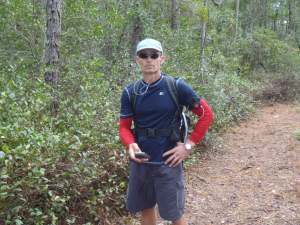
John uses the handheld GPS to get close to a cache
I have brought my car down here from Virginia and for months have been battling a problem with a slow leak in one tire. I went to a local tire shop where they spent an hour removing the tire, finding that the problem was a broken valve stem (which turns out to be a special kind that ties into the tire pressure monitoring system), replacing it with a regular valve stem and recommending I get the proper one from a dealer and then refusing to let me pay anything!
So even though the lightning strike was a bit like a kick in the gut, there are so many good things that have happened – it has really helped restore our faith in the goodness of people! Thanks to all of those mentioned here and the many others who have offered advice and moral support! It has meant a lot to us and we promise never again to say “that would never happen in the US”!
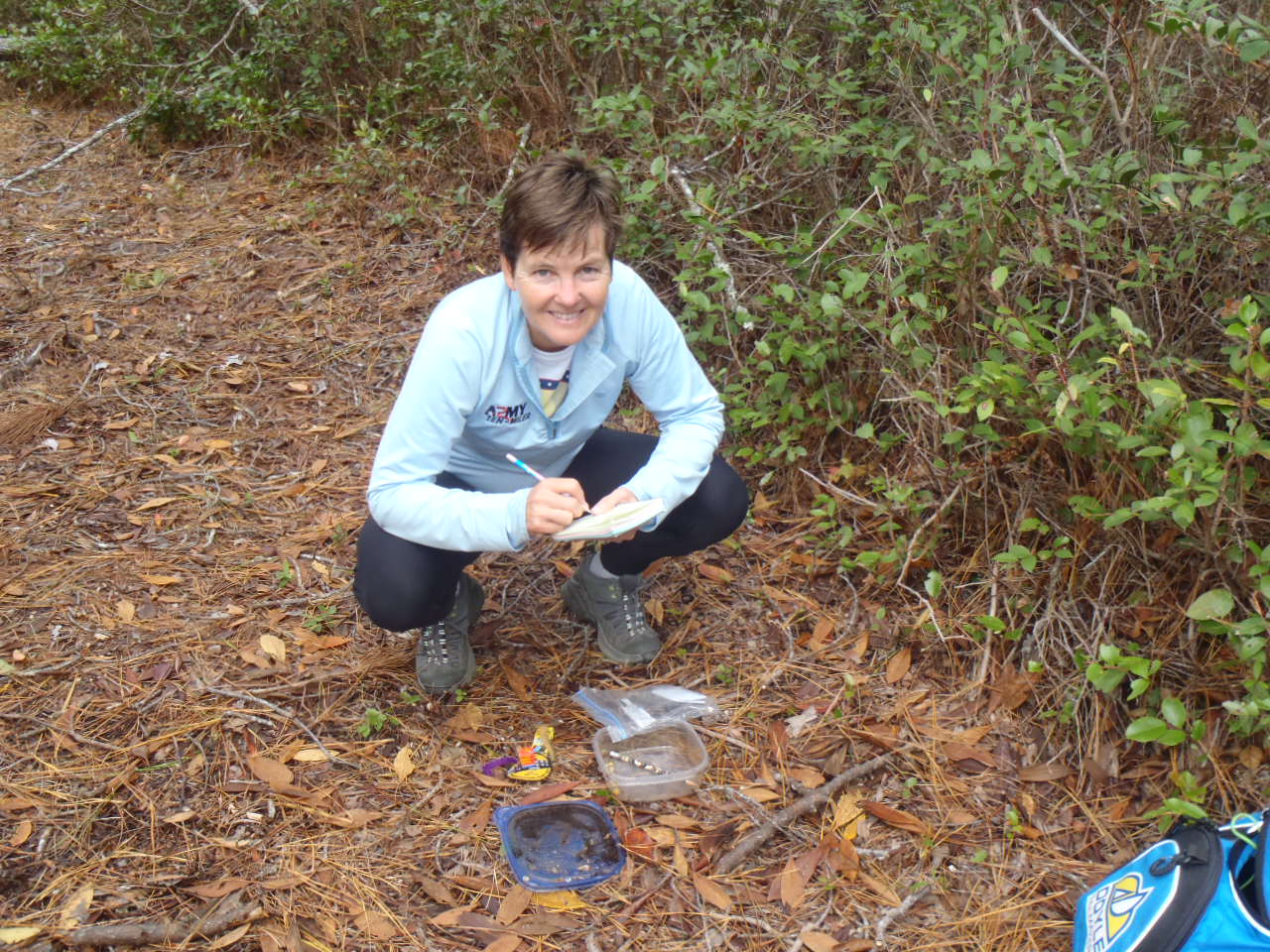
We are still enjoying the area and have been walking, running, and kayaking as often as possible. This weekend I introduced John and Leanne to Geocaching, an outdoor activity involving using a GPS to find “treasures” hidden in strange places by other people (see http://www.geocaching.com/). This weekend we found three caches. One of them required two visits and one of them took us to the Croatan National Forest, where we did a six mile walk and will definitely return for some more hiking!
Click any photo to enlarge! And you can leave a comment by clicking the Comment button below the photos. Click Here if you want to send us an email.
-
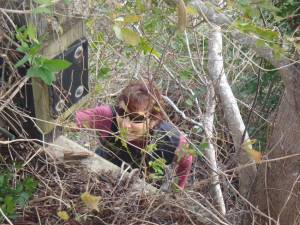
- Leanne searches for a hidden cache
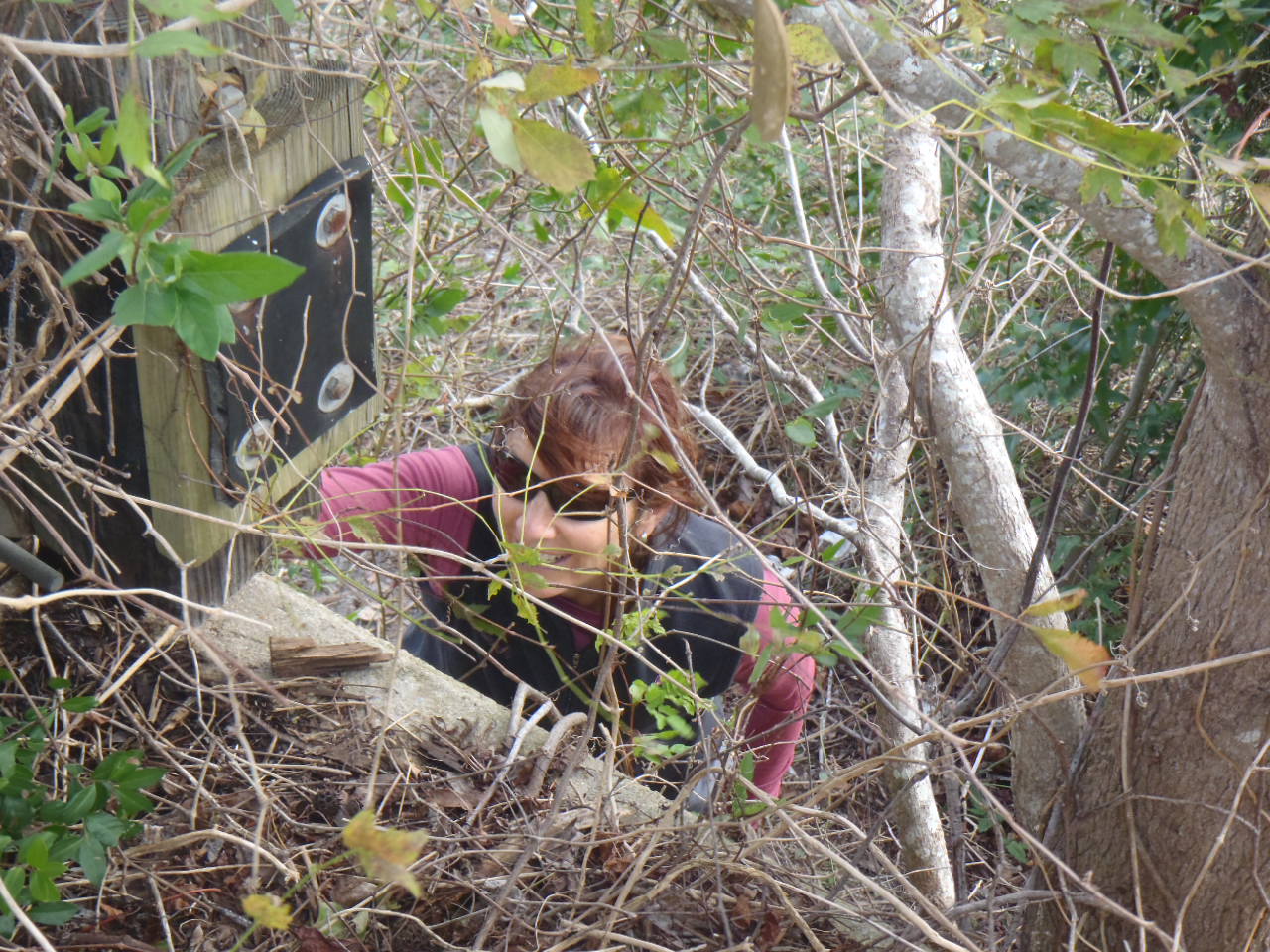
-

- Kathy signs the cache log
-
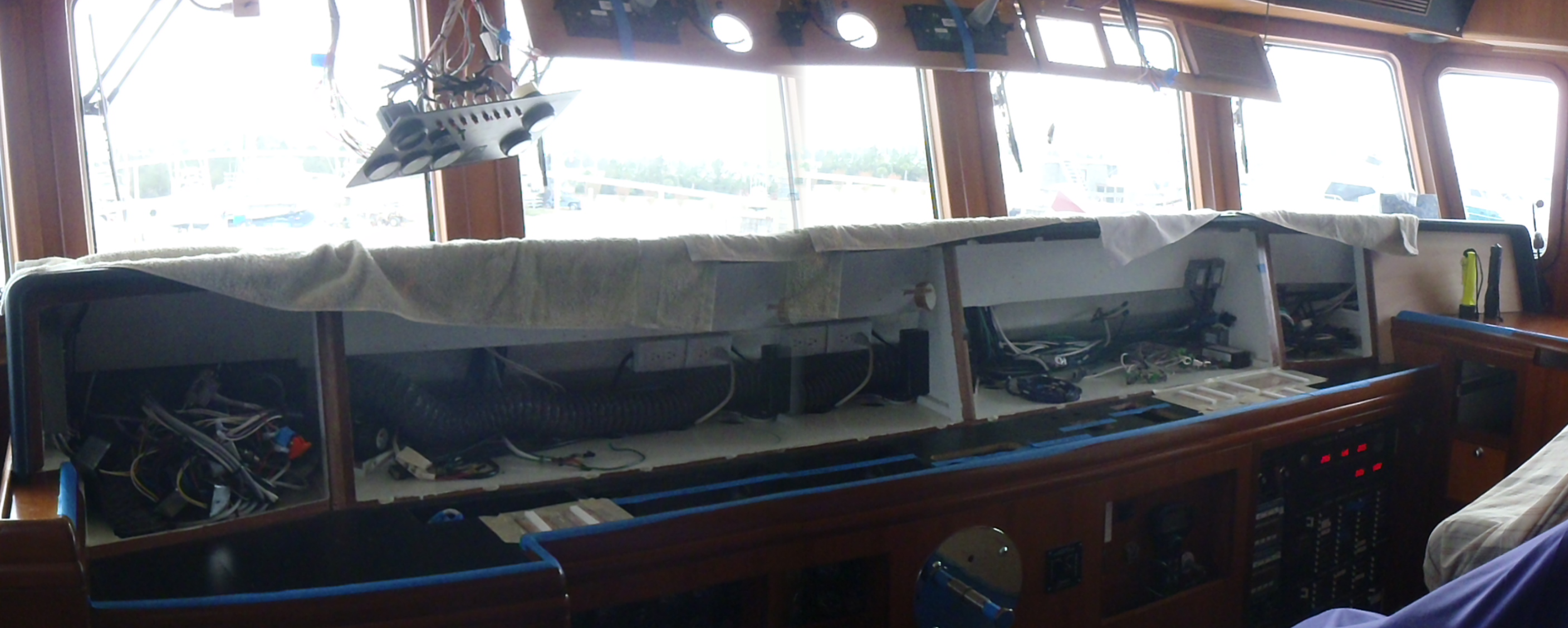
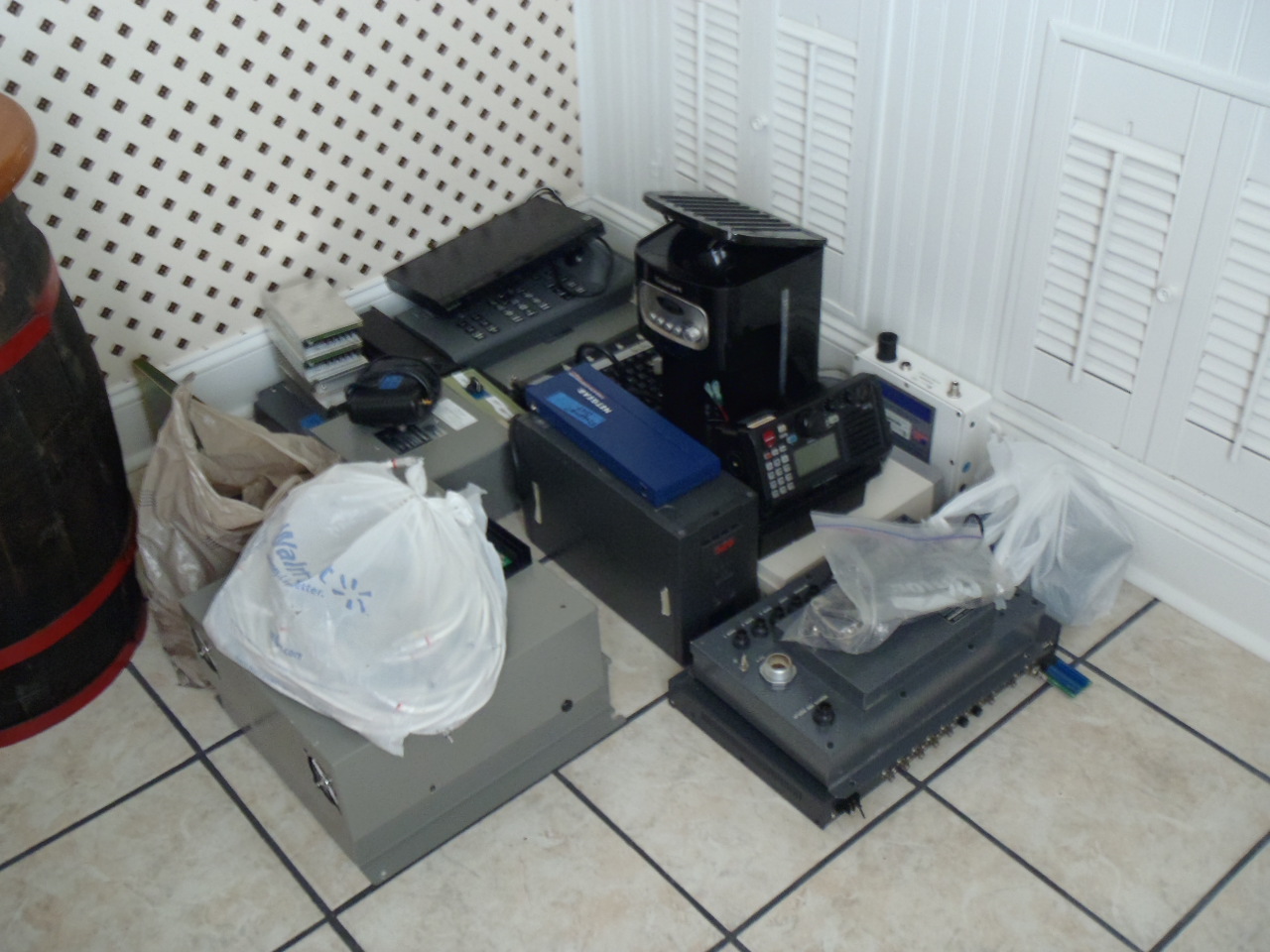
- Pilothouse with everything ripped out
-
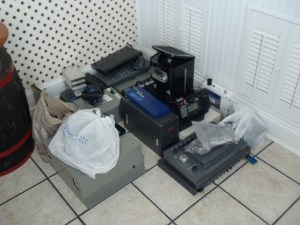
- Dead equipment removed from Pilot House
-
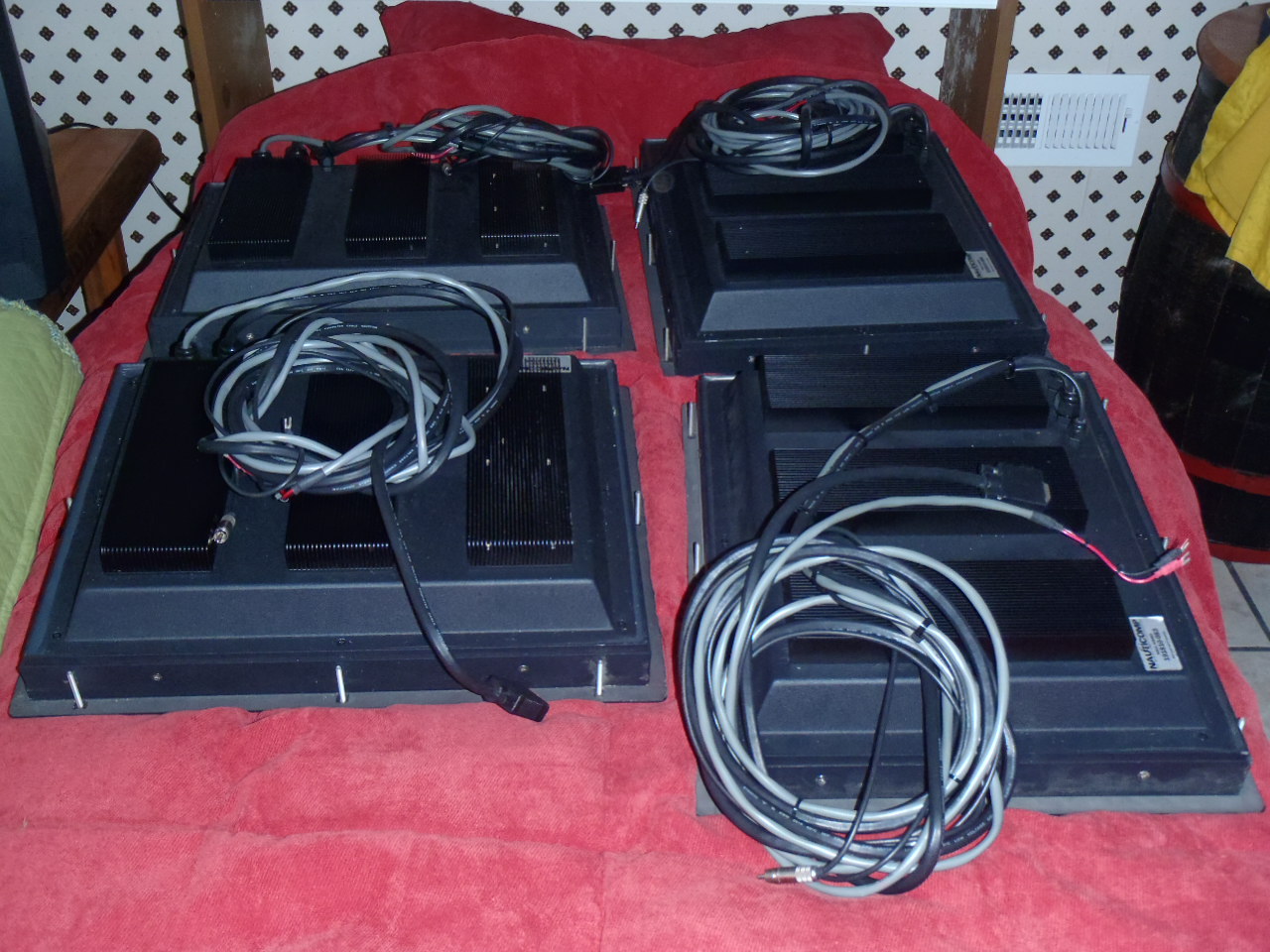
- More dead equipment
-

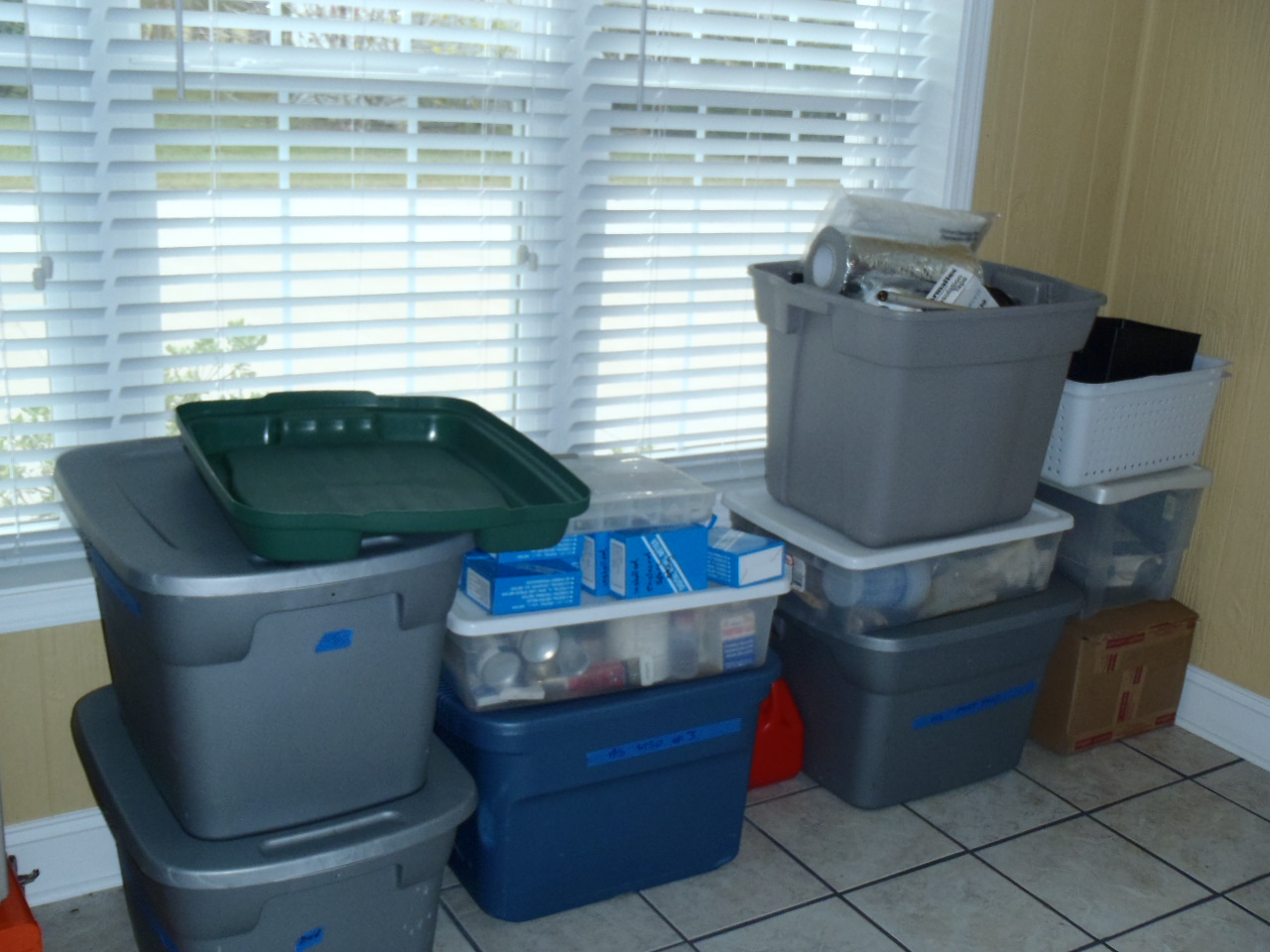
- Some of the spare parts awaiting inventory
Living Ashore (October 2011)
Posted by Kathy Clark in Trips on October 22, 2011
October 22, 2011
(by Leanne)
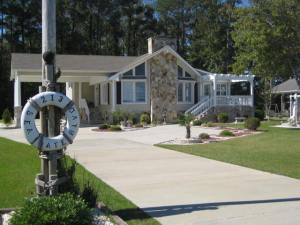
Our Temporary Home in Sea Gate
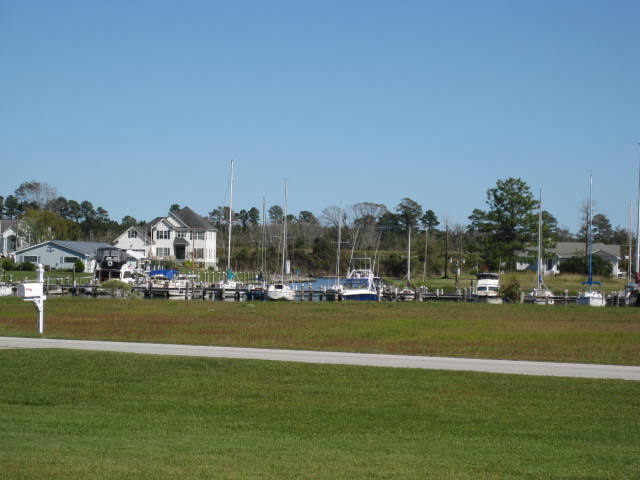
With Shear Madness now on the hard stand and repairs commenced we have all moved ashore and rented a house at Sea Gate in Newport, NC. Sea Gate is a lovely relaxed community located on the intracoastal waterway with the local marina being the hub of this small community. The marina has 70 berths (none large enough for a Nordhavn), a marina store which doubles as the local convenience shop with the community coffee group and the weekly happy hour also held at the marina facilities. The view of the marina from the house makes us feel right at home as we can at least see water and we are storing our kayak there so we can do some adventuring on the ICW. The only negative to living ashore is the amount of mosquitos (aka mossies) in the area. This is a result of the high levels of rainfall experienced from the hurricane. The mossies are most vicious at dawn and dusk and attack anything that moves, which requires fast movement from the hot tub back into the house to limit the bombardment. As the locals are frequently lamenting the increased levels of mossies we know it must be bad.

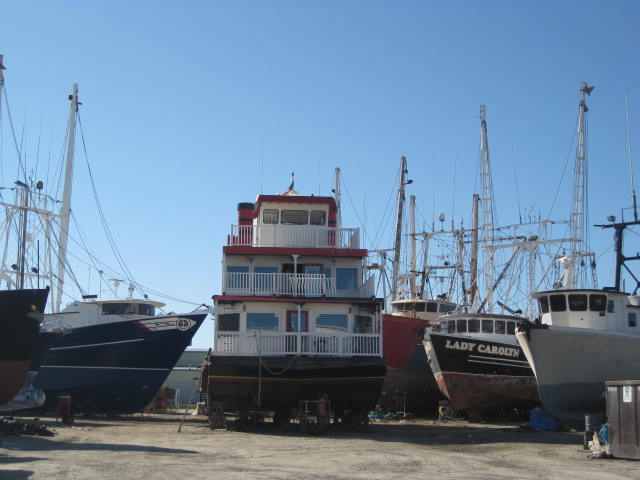
Jarrett Bay Boatworks Yard
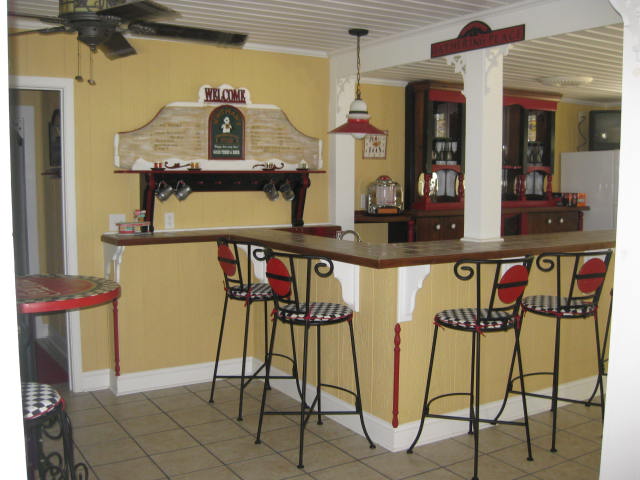
The house is palatial after the boat, with five bedrooms, a downstairs bar and most importantly a hot tub – which is appreciated by all as the body ages. The extra bedrooms will be used by Brian and Troy, from Celtic Marine, when they arrive from Florida in November to commence the electronic repairs. The fifth bedroom has now been turned into Brian’s store room with all the unserviceable electronic gear removed waiting his return. While the bar room would make a great place for a party, the back room is now filling up with spares & equipment removed from the boat. This will allow easy access for the contractors to install the new equipment.
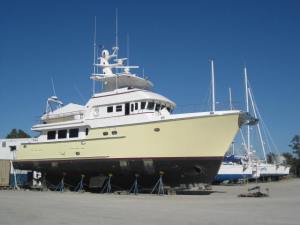
Shear Madness anchored in the boat yard
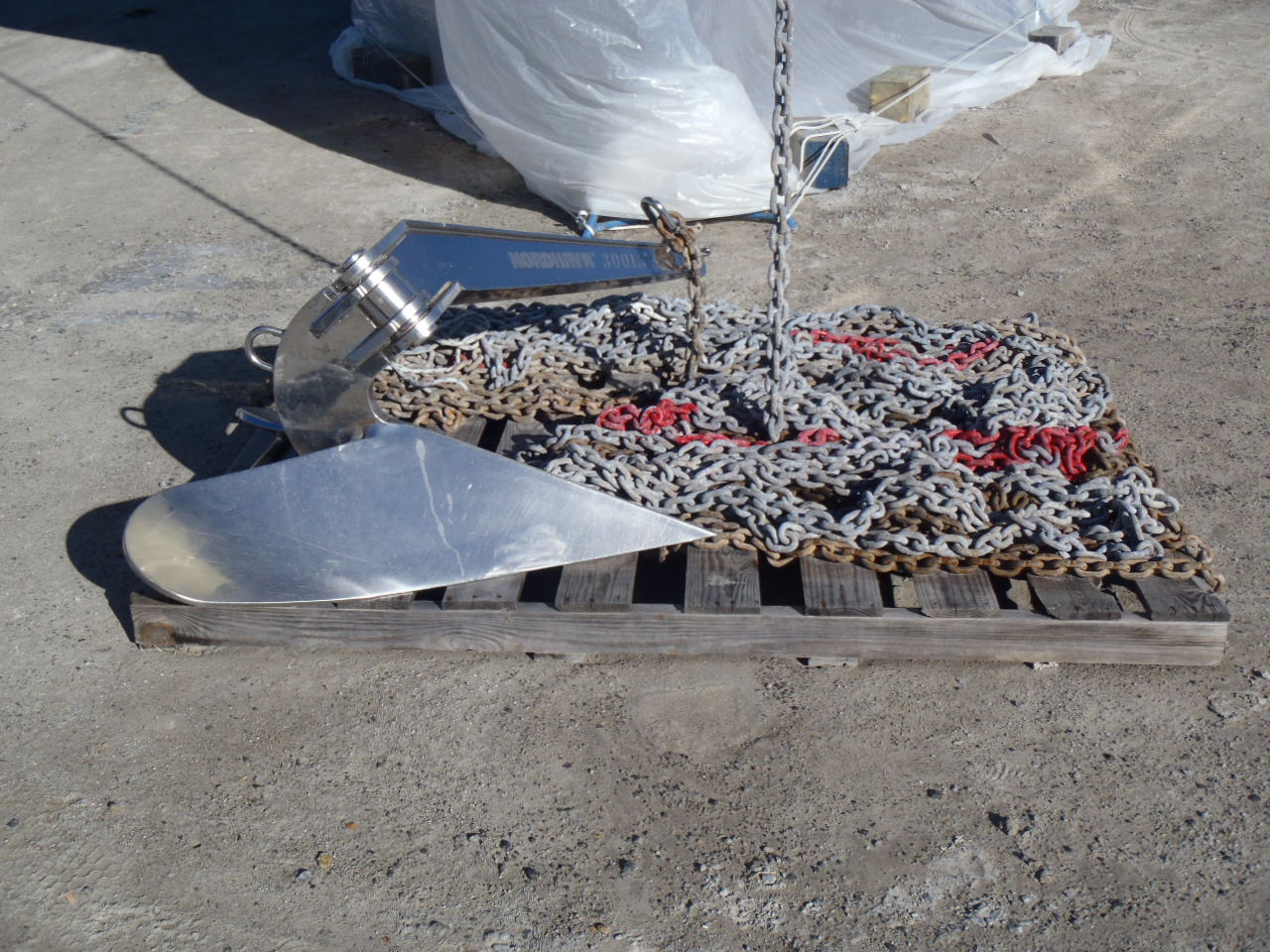
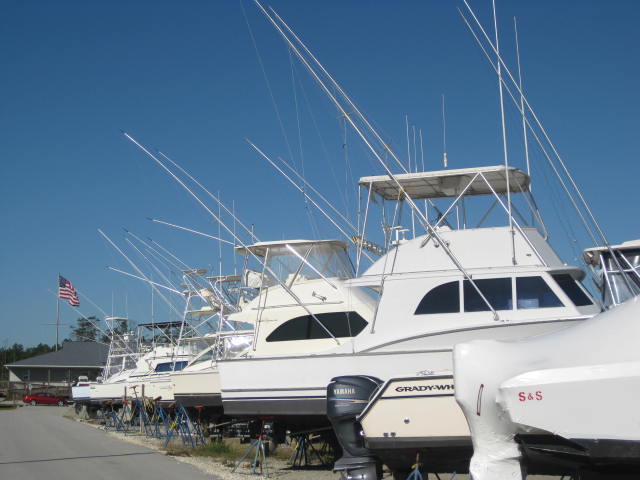
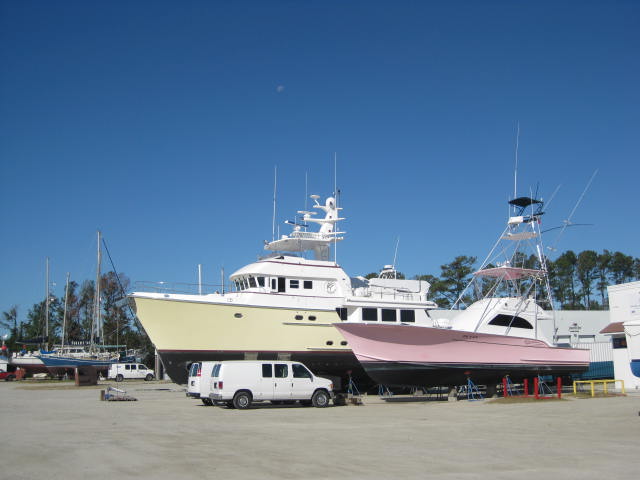
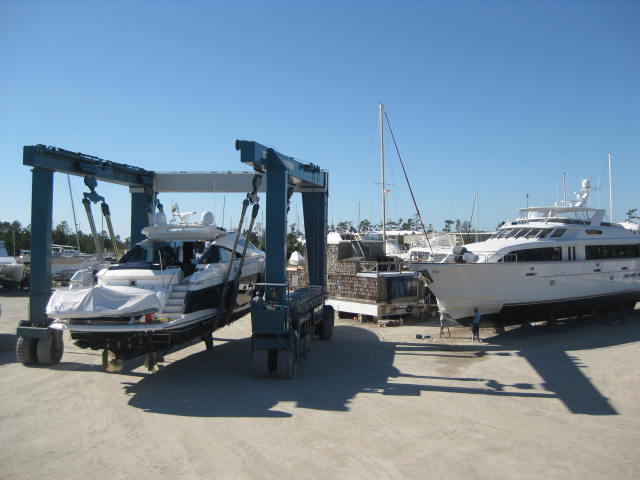
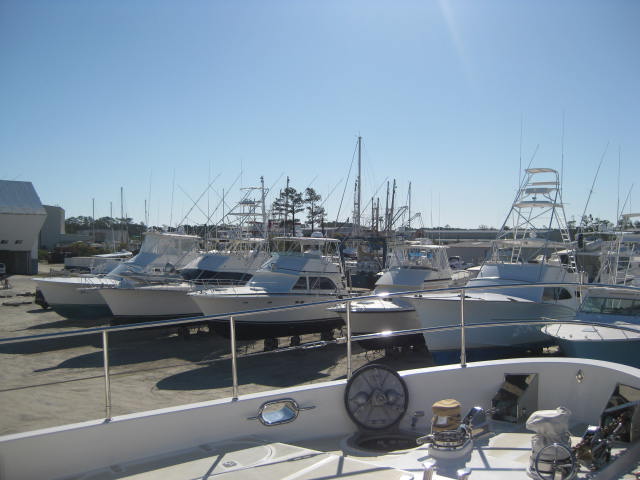
Back at Jarrett Bay Boatworks, Shear Madness is looking comfortable on her stands; however she is attracting a few comments with her anchor now down (for some work to be done on it). The boat yard is an impressive 175-acre facility offering a one-stop boat building (up to 120 ft in length) and marine service facility. We are all enjoying looking at the different boats which range from small trailer yachts, sport fishing boats, yachts, catamarans, commercial trawlers and 200ft luxury yachts. The boatworks is an interesting place to have the ‘office’ in as there is always something to watch as boats are moved in, around and back into the water.
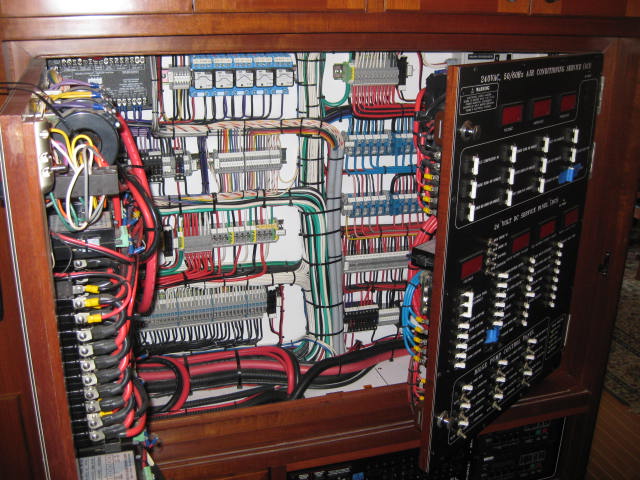
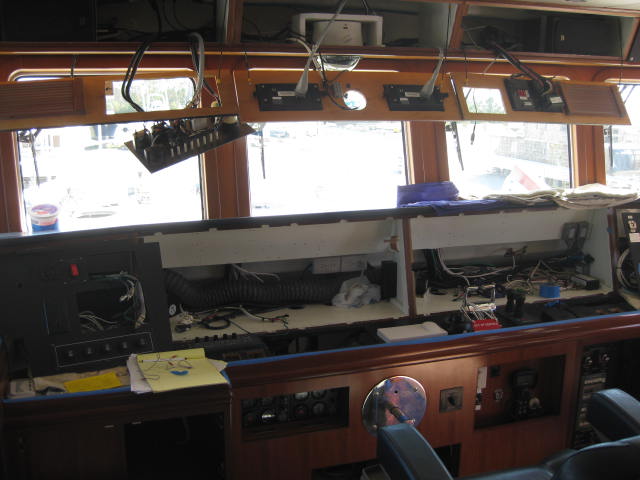
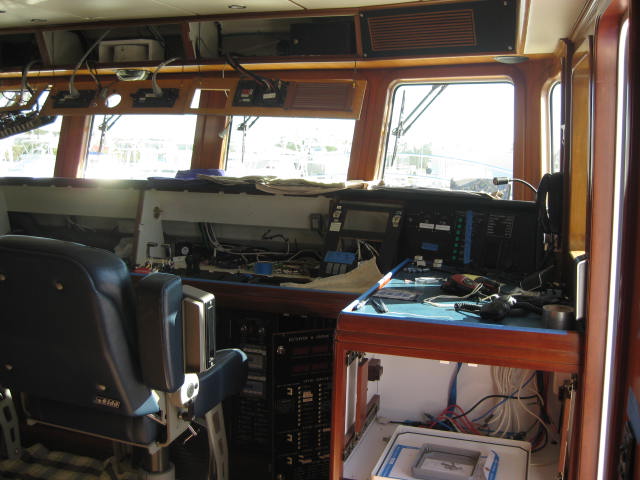
The inside of the Pilot House is now resembling a workshop test bench with all the electronic gear removed and work on the electrical systems commencing. John is now in his element working alongside Steve and Buddy from Offshore Marine Electronics as they pull out the numerous cables, wires and circuits for diagnosis and repair. Although it all looks like ‘spaghetti’ to me, given John’s experience of pulling things apart onboard the Orion I have confidence that he and the team will return the equipment back to the original location and, more importantly, to an operational mode.

John (center) with Steve and Buddy from Offshore Marine Electronics
Brian from Celtic Marine arrived last week to complete a work scope of the electronics/navigation and entertainment system. This will allow Brian and Troy to return in Nov with the replacement parts they need to complete the work. During this period all the electronics from the Pilot House were removed and are now stored in the house. An additional advantage of Brian’s visit was he now has the TV working – this was just in time with the Rugby World Cup semi-final game able to be watched onboard on the large screen. Even better were the results with NZ winning 20-6 against Australia. No need to ask, or even report, who we want to win Rugby World Cup in the final game this weekend with NZ versus France
Bradley has been kept busy managing the numerous phone calls / emails to the contractors and insurance company to keep the repair schedule on track. Our revised project timeline is (hopefully) departing by end of November. Kathy and Leanne are being kept busy implementing an inventory management system. This requires going through every locker, cabinet and space onboard identifying what the space is called and then recording what is being stored where. We started with the charts and have now catalogued 217 charts that include Europe, South and Central America, USA and Canada – this task was enjoyable and allowed us to dream about our future cruising areas.
We will keep you updated as the repairs progress.
Click on these links to see a recent article in the Washington City Paper about the “other” Shear Madness – the play at the Kennedy Center and the wedding that took place there, leading to the name of a Nordhavn!
Click on any photo to enlarge!
Haul Out (October 2011)
Posted by Kathy Clark in Trips on October 11, 2011
October 9, 2011

Positioned for the Travel Lift
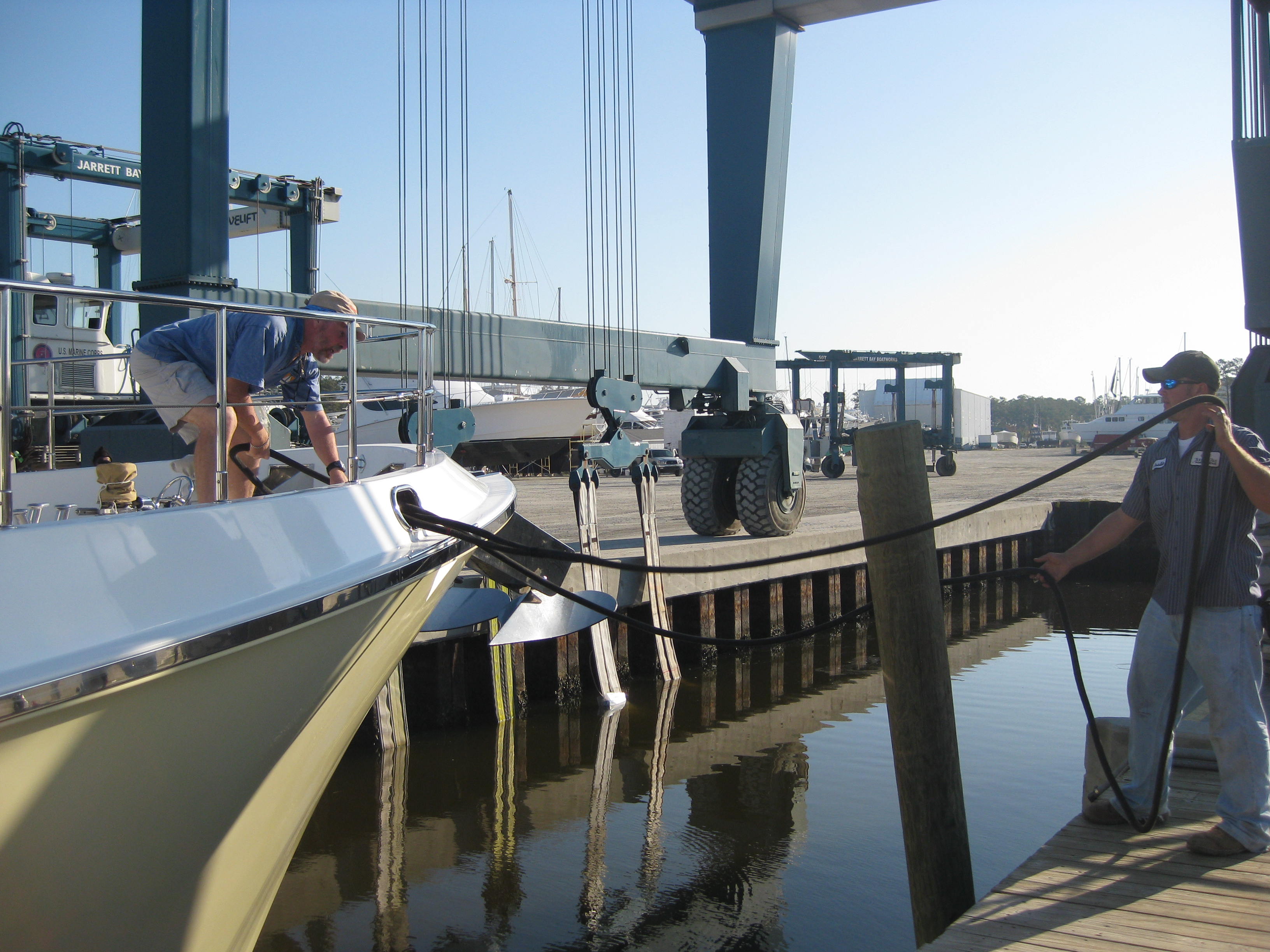
How do you haul a 250,000 pound boat out of the water? With a 200 Ton Travel Lift. It really is quite an impressive sight to see. At Jarrett Bay, they haul many boats a day and have a variety of sizes of travel lifts. We needed the big one! The boatyard has a haul-out dock where boats are first pre-positioned and tied alongside. Since the space is tight and we were still without bow and stern thrusters, we chose to move to this area early in the morning while the wind was very calm. The next step is to position the travel lift. This is a specially designed piece of equipment that straddles the loading bay. Lifting straps are then lowered into the water to a depth below the boats draught (in our case 8 feet). Then the boat is moved by hand, with a bunch of guys pulling lines until it is positioned on top of the lifting straps. Care must be taken that the straps aren’t positioned over the stabilizers, sonar, or other sensitive areas on her bottom. Once the boat is positioned, the lifting process begins. The boat is gradually hoisted until it is out of the water and the bow clears the top of the dock. Then the travel lift carefully and slowly moves the boat to the washdown area where she receives a nice bath with fresh water from a pressure washer. This removes much of the marine growth from the bottom. After the bath, she is moved to the space where work will be done and positioned on blocks – lots of them to hold her firmly in place.
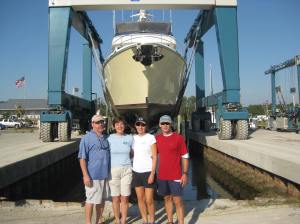
Shear Madness and crew - Bradley, Kathy, Leanne, and John
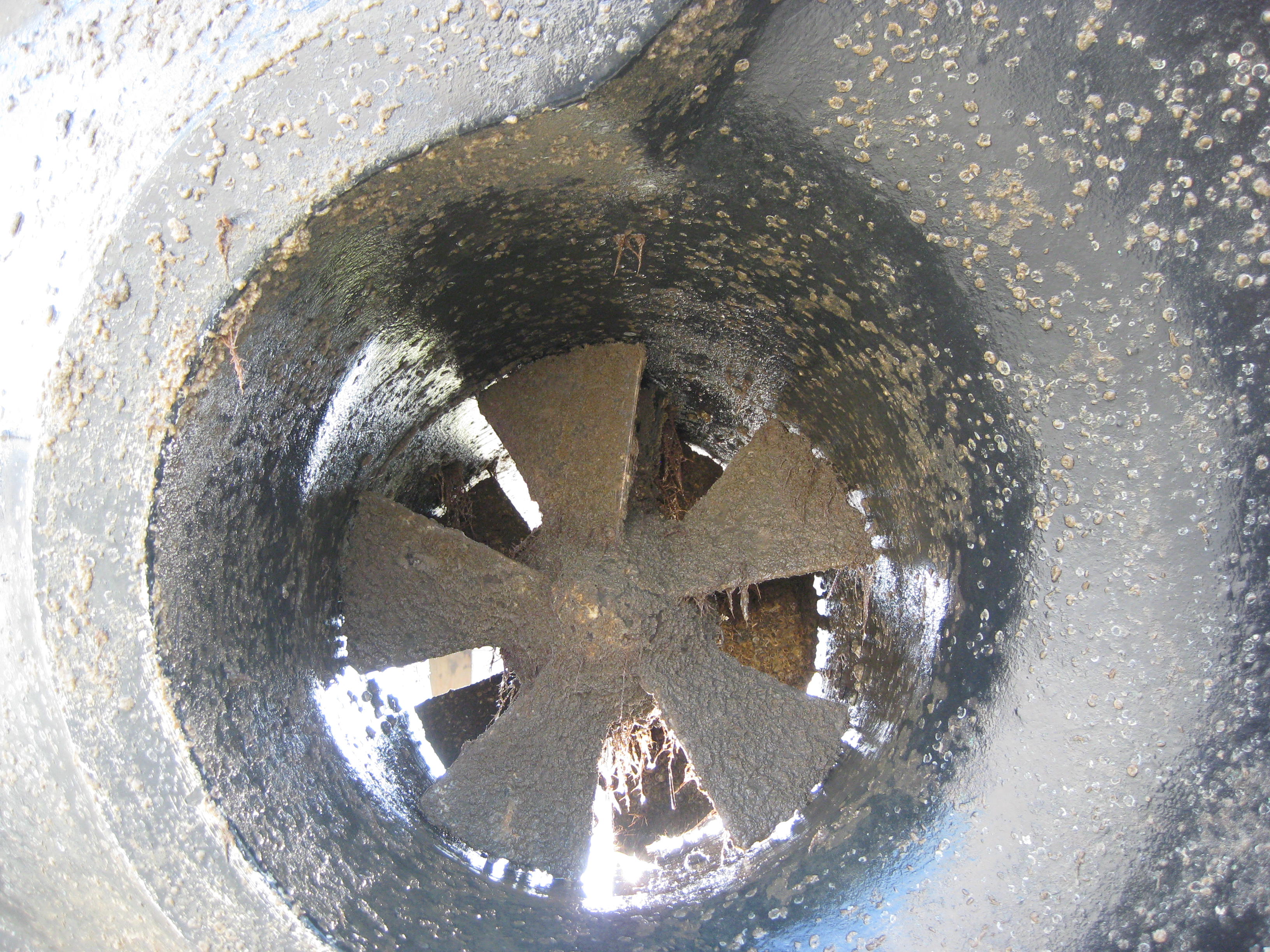
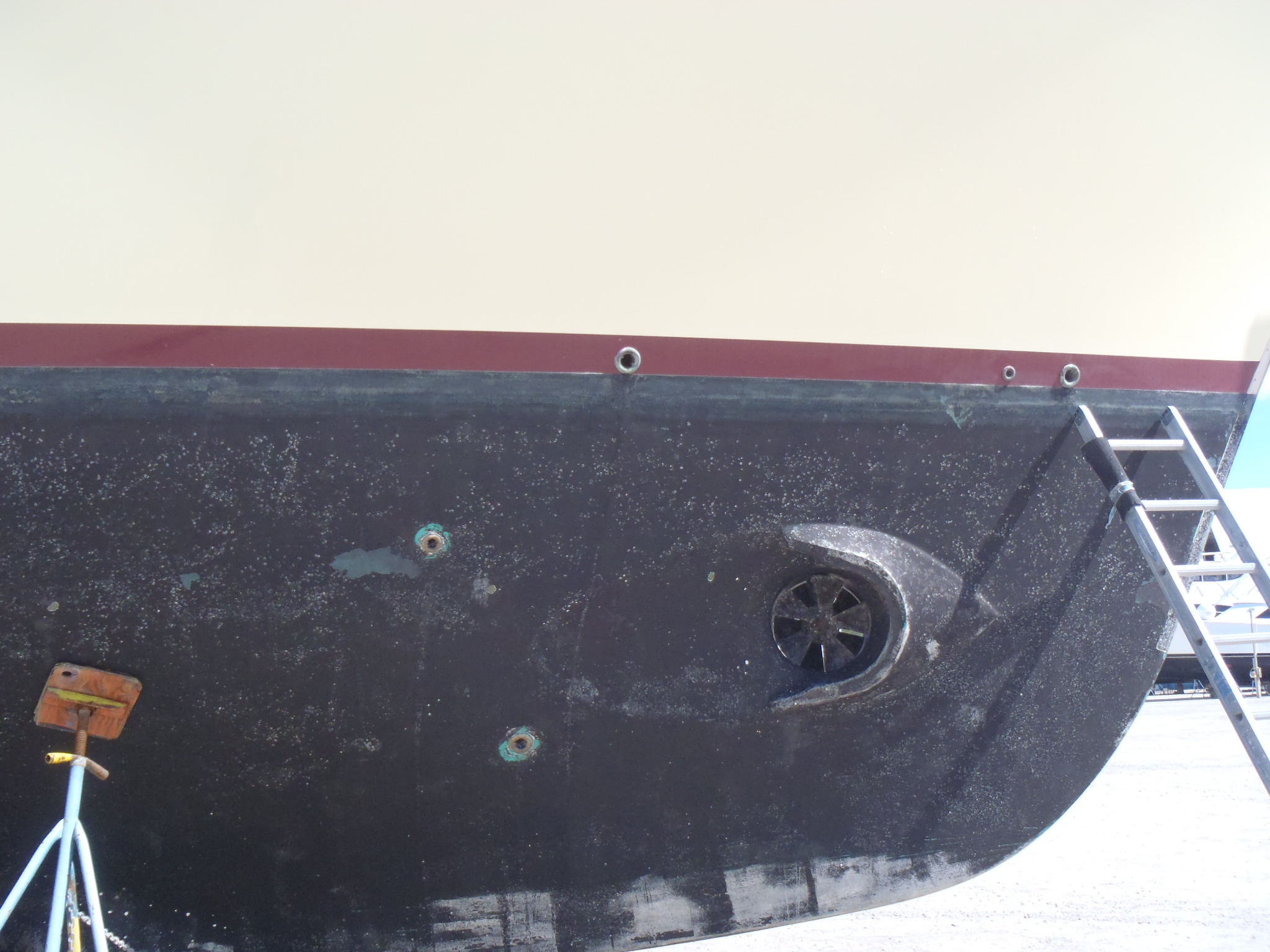
Power cords are then connected, a ladder is put in place to allow you to get on and off the boat (the deck at this point is 10 to 12 feet off the ground). Next, plastic floor covering is installed on all exterior decks and interior floors. Boatyards are very dusty and dirty places and protecting the surfaces is important. The boat is now ready for whatever work needs to be done. Our first step was to visually inspect the exterior of the boat, looking for anything out of the ordinary. Much like a bullet wound, lightning often creates more damage on its way out then on it way in. Our inspection did not reveal any obvious additional damage from the lightning nor any other unexpected findings. Next, we inspected and cleaned all the through-hull fittings. These are the places in the hull where a hole has been put in order to allow seawater to enter the boat – for example for cooling the engines or generators – or to allow “stuff” to leave the boat – such as exhaust, bilge pumps, or gray water (water from showers or sinks). Shear Madness has 37 different through hull fittings and these need to be periodically inspected as each one is a potential source of trouble should it fail or leak.
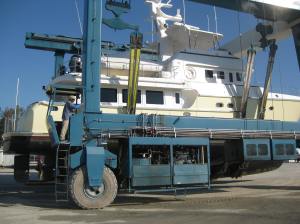
This is why it's called a "Travel" Lift
Other things that are inspected and serviced if necessary during a haul out are the main propellers (which move the boat forwards and backwards), bow and stern thrusters (propellers located on the bow and stern which assist in moving the boat laterally), stabilizers (large hydraulically operated fins which smooth out the ride in rougher seas), sonar (for depth readings) and rudders (which provide steering through the water). Since this equipment is normally underwater, working on them will usually only occur during the haul-out.
We are now ready for the serious repairs to begin. Brian, our electronics guy who worked on the boat while it was in Florida, will be coming this week to plan his project. Work on electrical systems should also begin soon. We also need specialists for the bow and stern thrusters. As we begin to get more systems operational, we will be able to conduct additional testing and will likely identify more things that need attention. Click below to play a 3 minute video of the haul out:
With the boat hauled out we are not able to live onboard so we have rented a house, close to the marina, for a couple of months until Shear Madness is back in the water. The extra living space and hot tub has been appreciated by all!
Click on any photo to enlarge and leave a comment by clicking on the COMMENT link below the photos! To subscribe to this blog and receive updates whenever they are posted, click on the “Follow” Button or scroll down to the bottom of the posts to “Email Subscription”. For the latest book reviews, click here!





Passage down the Intracoastal Waterway (Sept 2011)
Posted by Kathy Clark in Trips on October 7, 2011
September 28th, 2011
(This blog entry is authored by Leanne)

Sweet Hope (Sweetie) leaving the dock at Colonial Beach
With the engines now repaired and fully serviceable, it was with anticipation that Shear Madness finally departed Colonial Beach Marina at midday to head south for repairs, via the Intracoastal Waterway (ICW). For this trip Shear Madness, with all her navigation, bow and stern thrusters, communications, and electronics systems still not functional (we had a handheld GPS, laptop computer, and handheld VHF), was following ‘Sweet Hope’ (Nordhavn 64ft) with Captain George and Leanne jumping ship to provide crew support for George. With limited VHF radio capability on Shear Madness, hand held walkie-talkie radios between the two boats provided easy communications. After our radio call signs of ‘Madness’ and ‘Sweetie’ were established we were ready to depart.
With Sweetie departing first and standing off the dock in case assistance was required, Bradley successfully exited the dock, proving that bow and stern thrusters are not required, and we were on our way. With a light breeze, calm seas and following in the wake of Sweetie it was fabulous to be underway again. Sweetie was the ‘eyes and ears’ for Madness providing regular information on depth, boat traffic, relaying information from the VHF traffic and importantly where to anchor.
Madness following close on the heels of her guide Sweetie
The first day was an easy run of 35 miles down the Potomac River back into the Chesapeake Bay. Thankfully Madness experienced no major problems and was able to enjoy the day on the water. During each day the engines needed to be run on ‘wide open throttle’ mode (good engine husbandry) which resulted in Madness powering past Sweetie with a loud ‘Yee-haw’, only to slow down to wait for Sweetie to take the lead again. (Note from Kathy – Racing Nordhavn’s seems a bit like racing Clydesdales – not real fast but LOTS of power!).
For our first anchorage, George found us a picturesque local river to enjoy the tranquil setting and sunset. Part of the deal for Leanne going onboard Sweetie was to assist George in improving his culinary skills. Leanne took up this challenge and provided a 101 Cheesecake making lesson to George. Given how quickly the cheesecake was consumed Leanne reports the lesson was a success! As the sun rose we had the anchors stowed and were on our way south.

George learns to make cheesecake
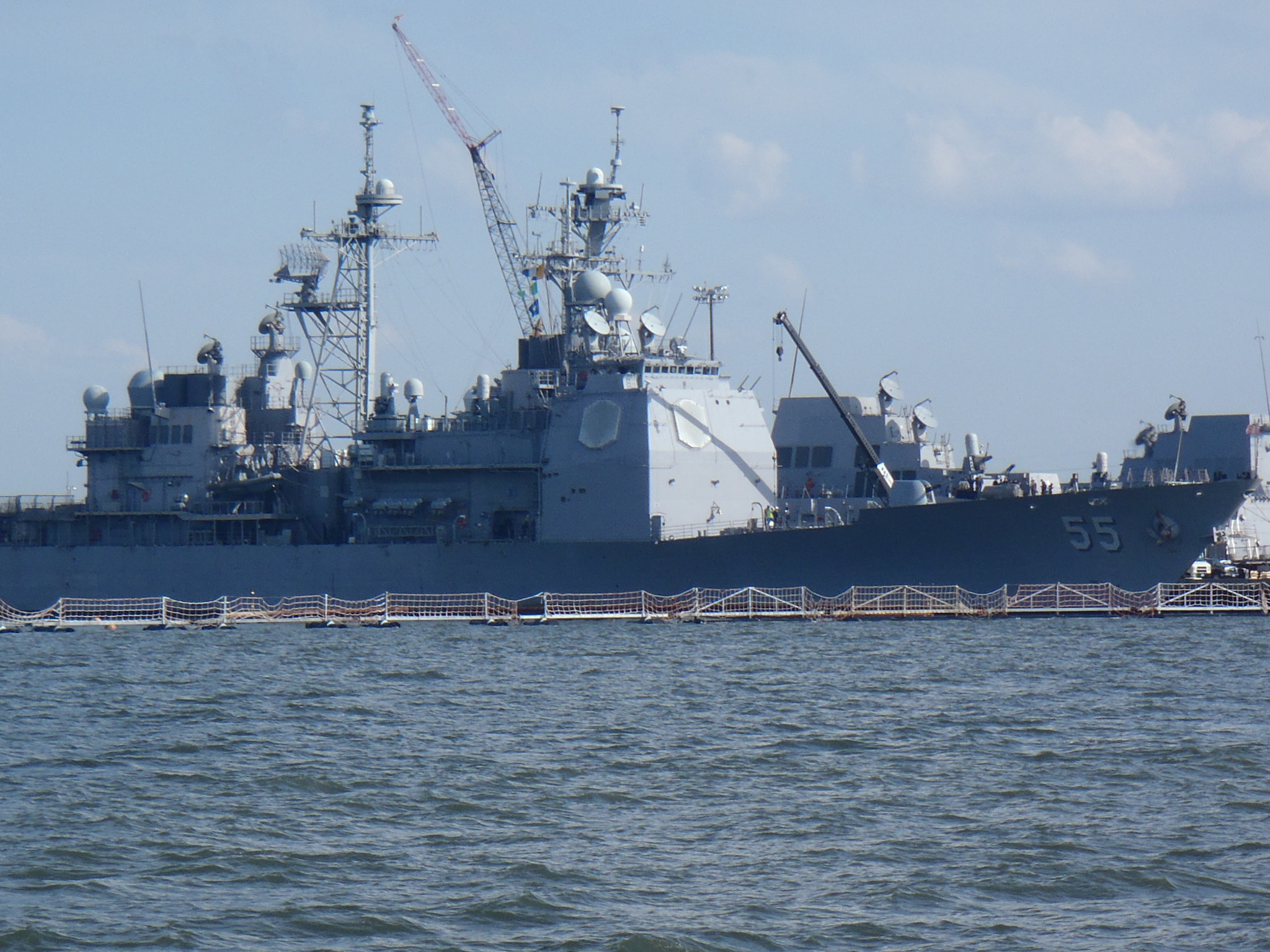
After a longer day of 85 miles we arrived safely at Portsmouth, with the Sweetie team being hosted for an enjoyable dinner on Madness with the inevitable ‘onboard stories’ being recounted. Portsmouth is a beautiful town steeped in history with numerous marinas, great architecture and ambiance and is just a short ferry ride across from Norfolk. Norfolk and Portsmouth are home to naval shipyards and container ports so there was plenty of shipping to watch out for. Fortunately we had two nights at Portsmouth to allow the engine technicians to come back on board to replace a few more parts and give the engines a tune-up, which gave all of us a welcome break and time to explore the local area.
Early Saturday morning saw us departing Portsmouth to enter the ICW at mile zero. The ICW is a series of interconnected rivers, canals, and sounds that provide protected passage from Norfolk to Florida. The ICW is ideally suited to boats with a shallower draft, but with careful reading of the charts and constant watching of the depths we had no problems coming down the ICW. Our route was via the Virginia Cut which saw us passing through one lock, and 22 bridges.
ICW Scenery
The first 11 miles were busy ones with 7 bridges and the one lock to pass through. The majority of the bridges were opened on set hours so required time management to ensure we arrived when the bridge was due to open and not before. Unfortunately we learnt this lesson the hard way with a 45 min wait for one bridge to open.
This was also our first trip through a lock. A lock is a mechanism for joining together two bodies of water at different levels. In this case, we were going from a higher point to a lower point. To accomplish this, the lock gates ahead of us are closed, all boats wishing to get to the other side enter the lock and dock alongside. Then the gate is closed behind us and the water level inside the lock is reduced bringing all boats down to the level of the lower water. When complete, the front gate is opened and all boats continue on. Then boats heading the other way enter the lock, the gate is closed, water is put back into the lock to raise the boats, and off they go. Fortunately, it was an uneventful but interesting experience for all of us.

Waiting for a bridge to open
The ICW was a scenic route to travel, passing through a variety of rivers, bays and canals with the scenery changing frequently. There was plenty to watch both on the water and off as we passed through the many local towns. The barges were always interesting to watch, especially given the loads some of them were pushing. One was at least a mile long, literally a “sea-train”. Sunday night was spent in a bay anchoring after passing through mile 160. This was a large bay with only Sweetie and Madness anchoring providing another peaceful night to watch the sunset. Next morning was a relaxed departure at 0730 with the boats being surrounded by fog which gave it quite a surreal atmosphere to motor away from.
Our last day on the ICW was a short 45 miles to reach our final destination of Jarrett Bay Boatworks where Shear Madness is to be hauled out of the water to start the repair process. The ICW was a most successful trip, with no problems managing the depth or shoaling, and one we would consider again as opposed to the outside passage which can be a lot rougher and more difficult past Cape Hatteras. Without Sweetie and Captain George, assisted by Leanne, Madness would not have been able to complete this trip. For this we remain grateful to Captain George for leading the way and being our ‘eyes and ears’.
Click on any photo to enlarge. Please leave a comment – we love to get feedback!







On the Move Again! (September 2011)
Posted by Kathy Clark in Trips on September 27, 2011
Sept 27, 2011

Bradley, Leanne, George, and Kathy Dressed for dinner onboard
As we address the damage from our recent lightning strike, our first order of business for Shear Madness was to get the engines operating again. Because they are electronically controlled and the lightning strike seriously damaged the electronic control units, we had to have all new parts shipped in order to get back up and running. This took some time, but yesterday the techs from Western Branch Diesel arrived with all necessary parts. The first thing we wanted to do was to try to start the engines in manual mode, bypassing the electronic controls to ensure that had we been underway and lost engines we would have been able to restart them. We had decided to wait to conduct this test until the experts were onboard. The first good news – the engines fired right up. However, without the controls there is no information available about RPM, temperature, oil pressure, etc. We would not want to run very long in that situation, but it would hopefully suffice to get us home in an emergency.

Our Last night in Colonial Beach
The techs were competent and efficient. Despite a few minor glitches with getting access to key areas, they were able to get most new parts installed and operating by the end of the day. We have a new hand-held GPS and have installed our navigation software and charts onto a laptop, so we have basic navigational capability. Bradley and John were also able to get one of our two anchors operational. We still have no depth sounder and that’s a big concern. The next phase of our repairs will occur in Beaufort, NC and will require a 300-mile trip down the Intracoastal Waterway (ICW). The ICW has a channel that should accommodate us as far as depth, but it would be a very nerve-wracking trip for us without a depth sounder. But we’ve had another bit of good fortune. Another Nordhavn, the 64 foot Sweet Hope, arrived at Colonial Beach last week and is planning to head south to NC. The captain, George, a highly experienced and capable chap, has agreed to act as our escort so we will be able to follow him down the ICW. Our plan is to depart tomorrow, stop in at Tidewater for another visit by the Western Branch Diesel techs, then head down to Beaufort. Unlike an ocean passage where we would travel 24 hours a day, the ICW can only safely be navigated during daylight hours, so we plan to stop at night either at a marina or at a safe anchorage.
Kathy and Jordan enjoy a last night in their house
If all goes well, we could arrive in Beaufort next week. The boat will then be hauled out of the water for further inspection. Then work will begin on the electrical systems (power), followed by getting the basic electronics (Navigation, communications, radar) functional. This will involve flying in people with the expertise to perform the repairs. Finally, once the boat is safely able to navigate in open water, we will continue on to Florida for the final phase of repairs – this includes items that are not critical to safe navigation such as water makers and entertainment system. We are planning on at least 3 months to have everything back in working order. Though it’s not what we had planned, in the end we will have learned even more about all the boat’s systems, so in the long run we will be more comfortable with that knowledge.
As we transition into the cruising life, one of the things we’ve decided is that once a week we will “dress for dinner”. This is meant to be sure we don’t forget how to do it just in case we ever return to civilization. It also ensures that we take time regularly to sit down for a proper meal with real discussion and “act like grown-ups” (or as close as we can come to doing that!). So when we invited George from Sweet Hope over for dinner, he asked “are we dressing” to which we said “Of Course”. George put us to shame with a proper British greatcoat and we had a fabulous time. So for any of you planning to visit us aboard Shear Madness, you will need to bring at least one nice outfit!

Jordan ready to leave on his great adventure with Meg
Bradley and I have now moved aboard the boat full time. We’ve left our house in Virginia in good hands with its new owners. Our dog Jordan has moved to North Carolina, where he is having a grand adventure with his beloved Aunt Meg (a family friend who has lived with us for several years). Although we love dogs, Jordan is too old to adapt to life on a boat and we have decided that cruising with a pet introduces too much complication, so we’ll be dog-less for the foreseeable future. It was difficult to leave the house, Jordan, and all our great friends in the area, but we are anxious to get through this phase and on to the “fun stuff”. Jordan had a farewell walk around the neighborhood lake before we left – click here to see the video!
Don’t be shy about leaving a comment!
Setting the Stage (September 2011)
Posted by Kathy Clark in Trips on September 9, 2011
To say the past month has been turbulent would be an understatement! In the aftermath of the lightning strike, we have done a more detailed damage assessment (click here if you are interested in seeing the details). The insurance company sent a marine surveyor to the boat to evaluate the damage – yes, it IS covered by insurance! The repairs will be done in several stages. The first order of business is to get the engines operational. Although they are diesel engines, they are controlled by various electronic components (like the computers in modern cars) and those components are seriously damaged. Replacement parts have been ordered and the diesel techs are scheduled to arrive in Colonial Beach with those parts around Sept 19th. We’ll also need to get some basic navigation systems operational so that we will be able to move the boat to a location where additional work can take place. We expect that it will take at least 2-3 months to get the boat back in safe operational condition. We are also aware that damage from lightning strikes often does not show up immediately. It can be months or sometimes even years before the full extent is known!
Simultaneously with this effort, Bradley and I have been busy getting ready to close on the sale of our house in Oakton, VA, which I am pleased to say occurred on September 7th. We are very happy with the new owners, Dan and Marilyn, who we think will love that house as much as we did during our 14 years there. They have also been wonderful to deal with – we feel very fortunate with how the whole process has worked. Even though we had done a lot of divesting of “stuff” to prepare to put the house on the market back in May, there were many decisions to make and many more things to part with. I can say that Freecycle and Craigslist Free Stuff have been a big part of my life the past few weeks! I am now staying with a neighbor down the street along with our dog Jordan, who will be moving to his new home in North Carolina later this month. It has been raining furiously all week and yesterday serious flooding in this area wreaked havoc on the roads. The new owners of our house called me to say they were stranded and could not get back to the house due to closed and flooded roads. Dan asked if I could go down and turn off the Crock Pot they had left on. They also had planned to have their furniture delivered and it had been loaded on a truck but they had no idea where it was! I headed down the road for what I though was a quick trip to turn off the crock pot and make sure everything was OK at the house, only to find that the moving truck had arrived! So I spent several hours overseeing the move of the new owners things into our old house. Unusual, to say the least, but Dan and Marilyn finally made their way over around 10pm. We all agreed it would make a good story someday. So, everything has not gone completely according to plan, but at least everyone is safe, if perhaps a bit stressed. The cruising life demands the ability to adapt and to deal with the unexpected, so we are getting some good practice at that! Sorry there are no good photos to post this time, but take a look at this video of a guy tubing down Lee Highway in Fairfax, a major local road!
Did I mention Lightning?? (August 2011)
Posted by Kathy Clark in Trips on August 26, 2011
August 26, 2011
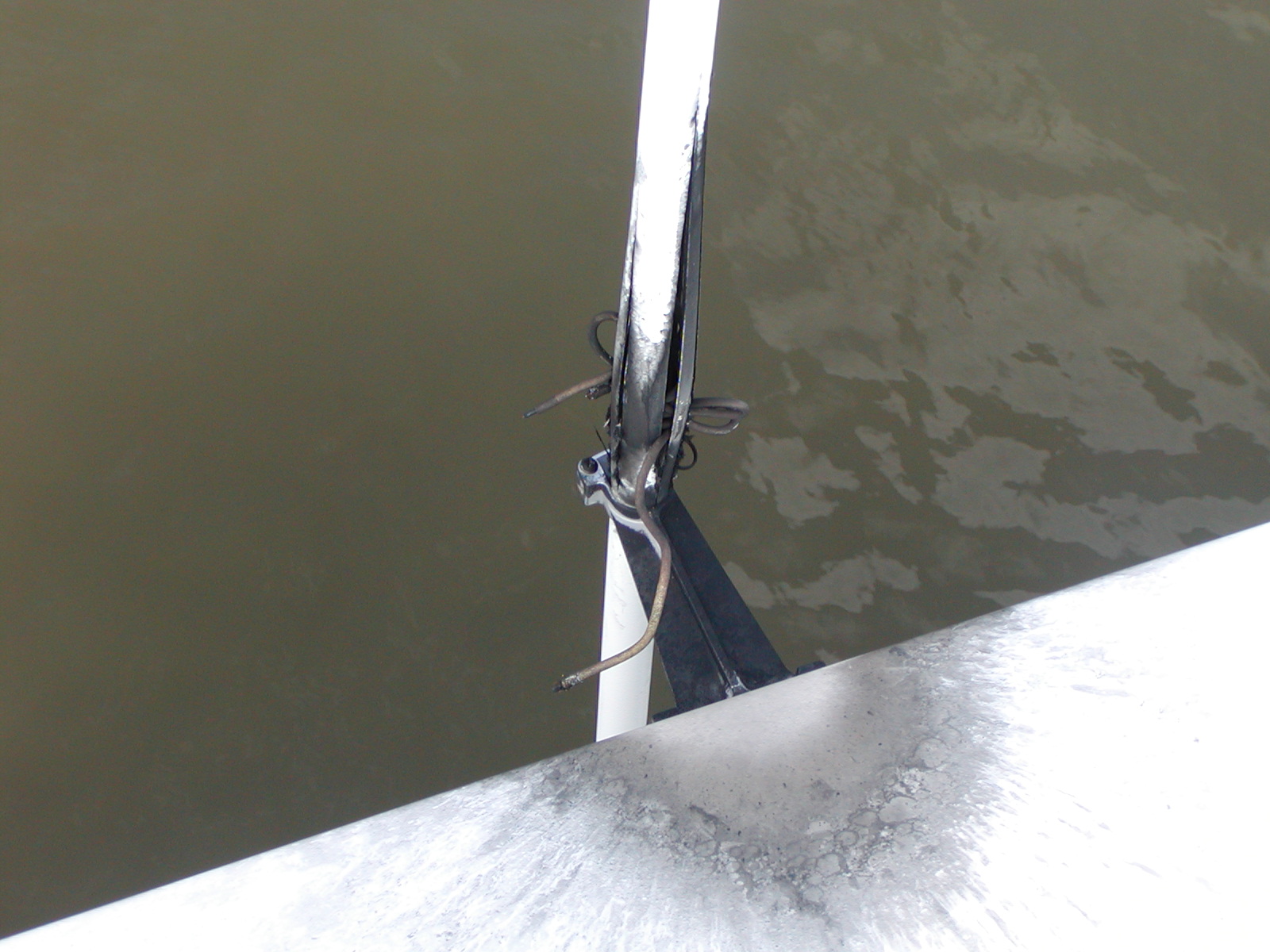
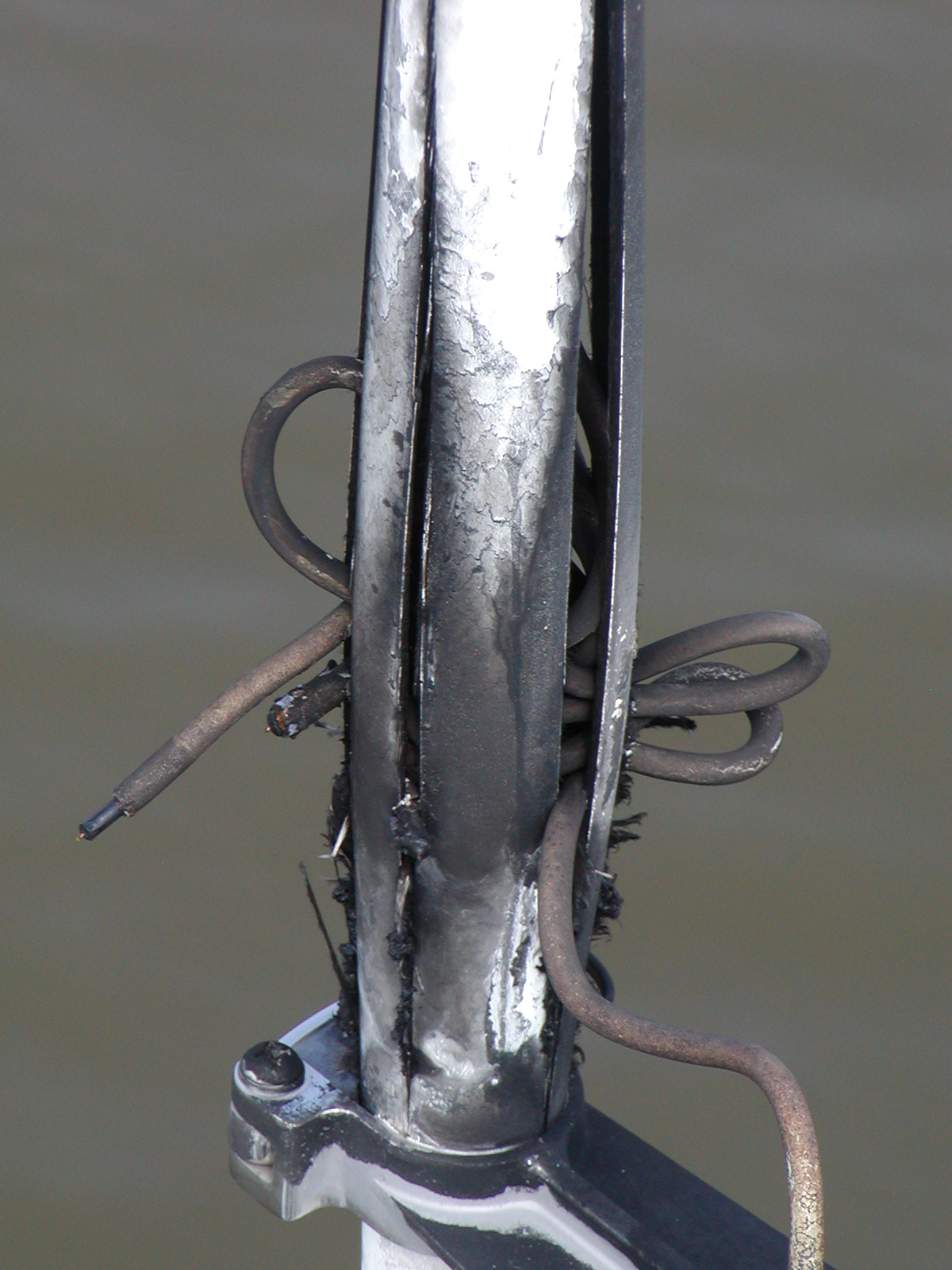
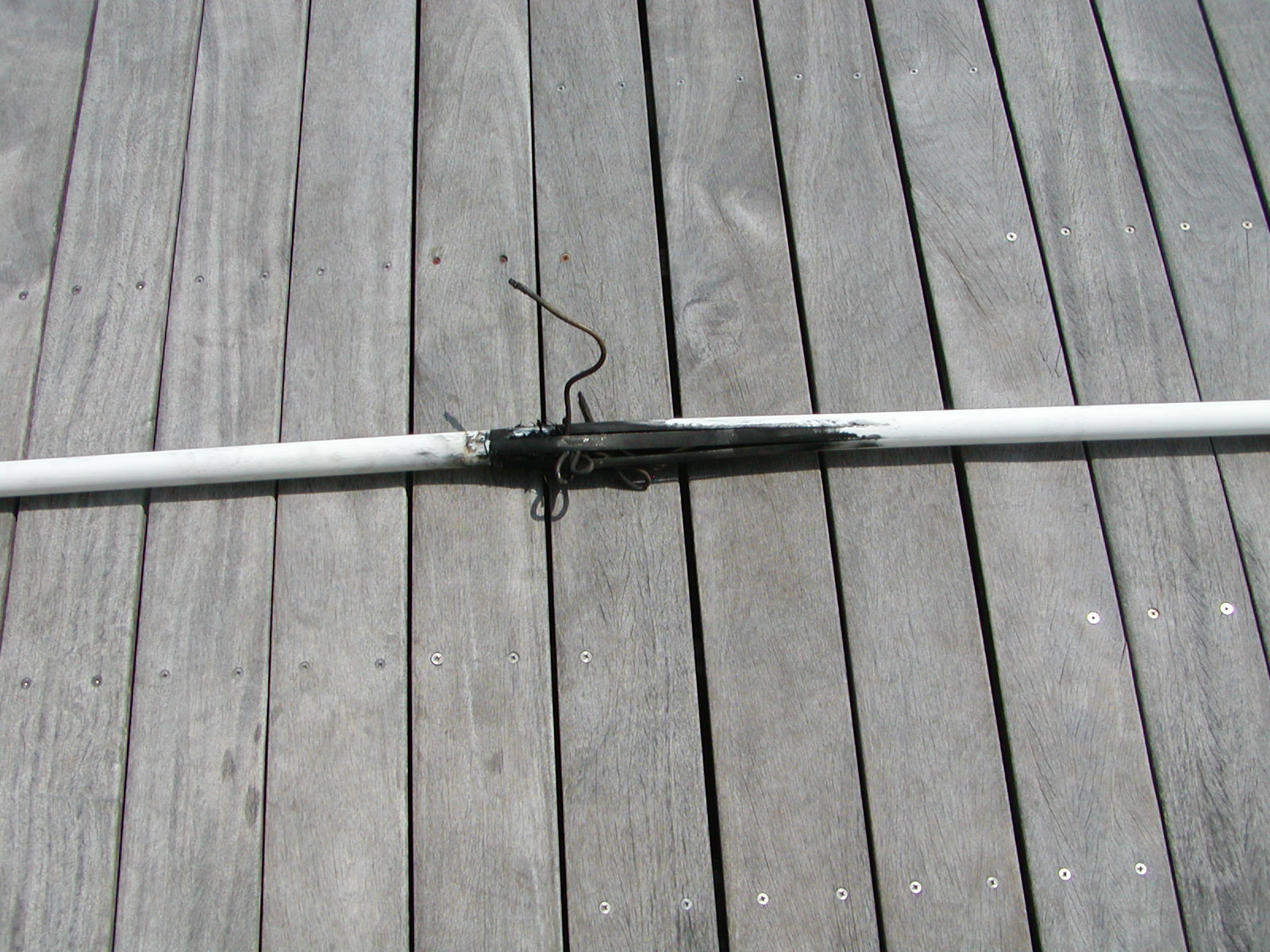
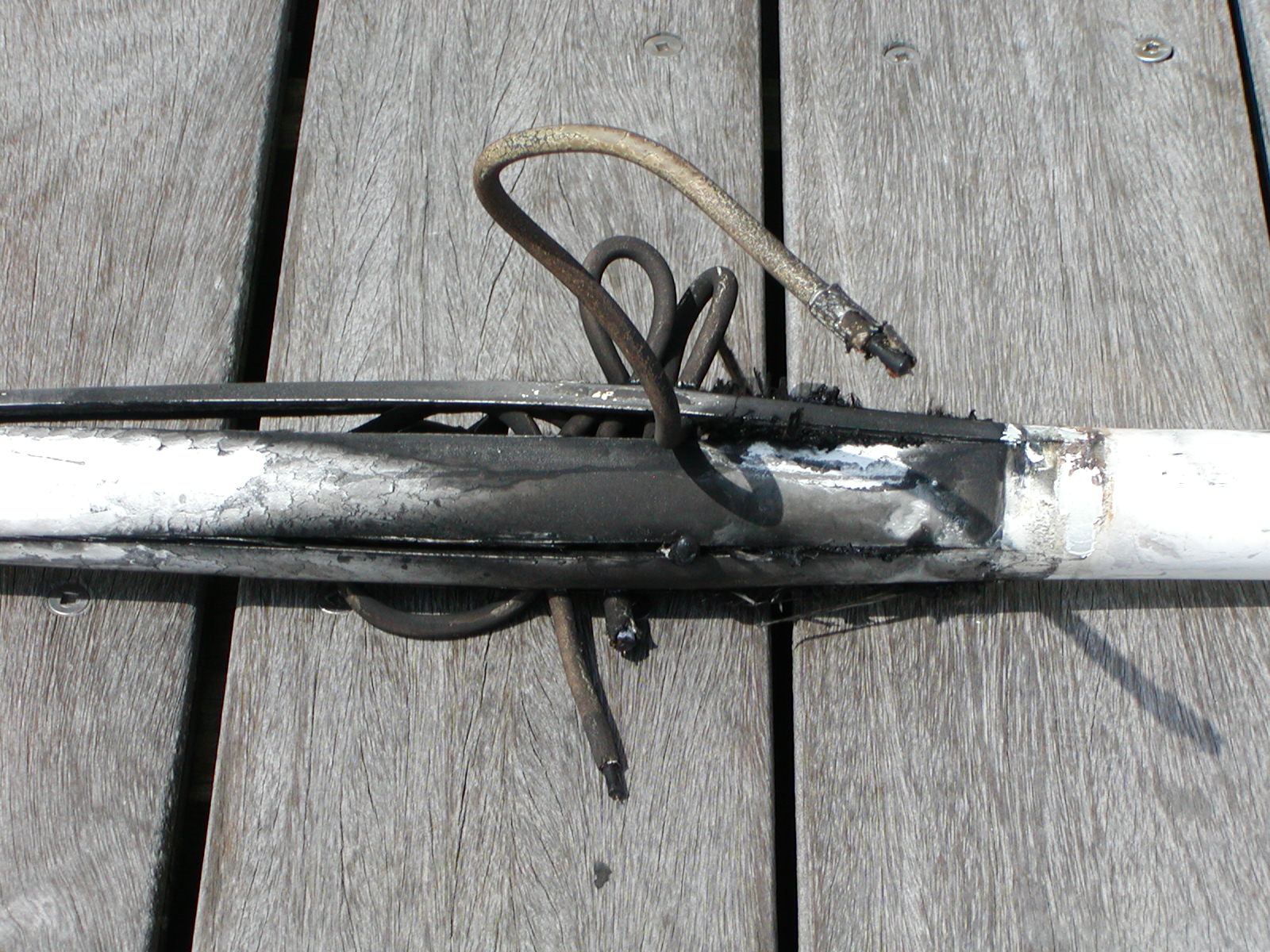
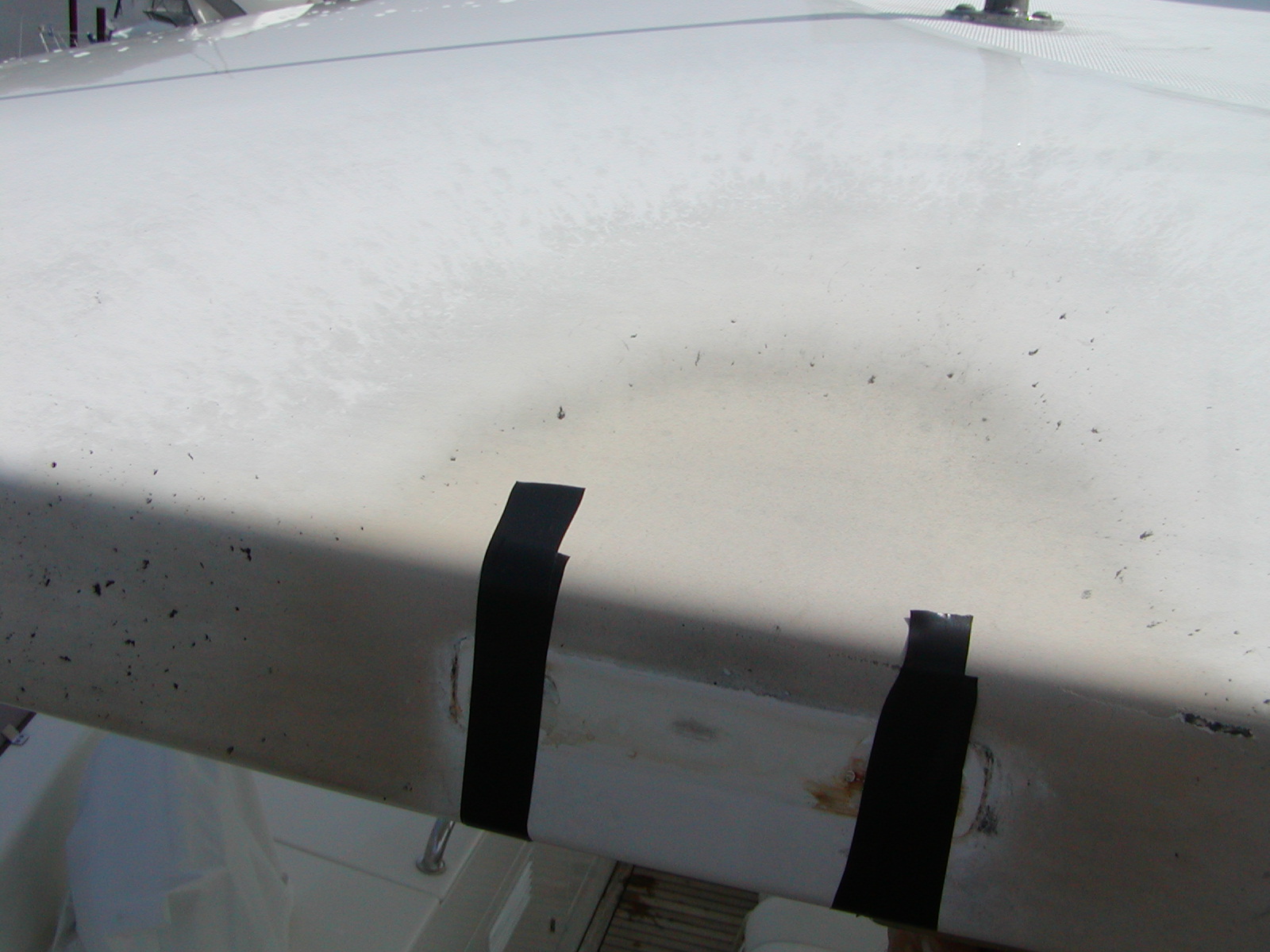
Yesterday I reported on our preparations for Hurricane Irene. Little did we know, that may not even have been our biggest threat. Just two hours after leaving the boat to come back to prepare our house for the storm, Shear Madness took a lightning strike from a severe thunderstorm passing through the area. John and Leanne were on board monitoring the storm. They are fine, but the lightning struck an antenna and caused serious problems for our electronics and electrical systems. All is stable for now, but a full assessment will be done after Irene passes by. Seems like much of the work we just had done in Florida will have to be done all over again – and then some! Why is Mother Nature so angry?? The following photos show the antenna that was struck and some of the damage.


 Shear Madness